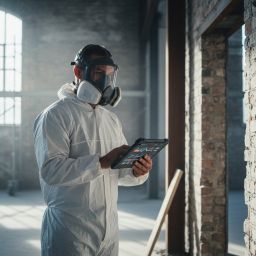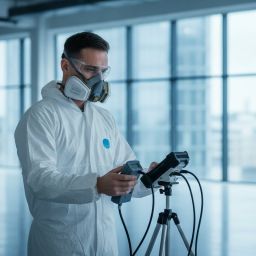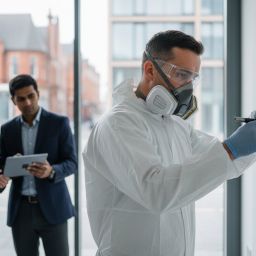
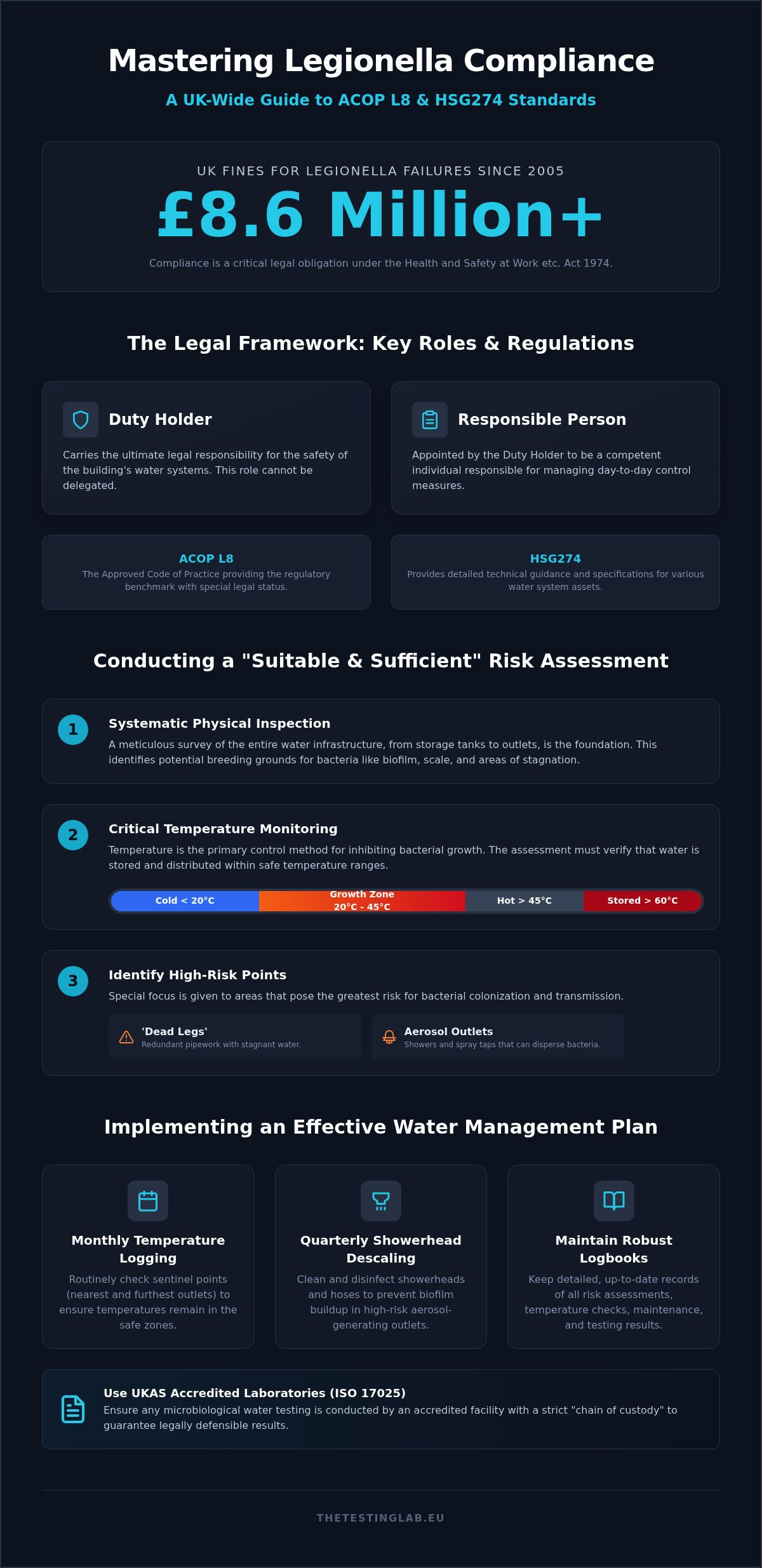
Did you know that UK courts have handed out over £8.6 million in fines for Legionella-related failures since 2005? For building managers, the pressure to mitigate Legionella Risk across UK wide portfolios isn’t just about safety; it’s a critical legal obligation under the Health and Safety at Work etc. Act 1974. It’s natural to feel concerned about potential prosecution or overwhelmed by technical laboratory results. You aren’t alone in questioning how often to test or what constitutes a “suitable and sufficient” assessment.
Get your instant quote here…………..
We’ll help you master these complexities by providing a clear roadmap for ACOP L8 compliance. This guide clarifies the differences between a standard test and a full assessment, ensuring you meet current HSG274 standards. You’ll gain the technical confidence to protect your occupants and your professional standing. For expert oversight, our specialist water management services ensure your operations stay fully compliant. Get your instant quote here…………..
Key Takeaways
- Define the legal roles of the Duty Holder and Responsible Person to ensure your organisation meets statutory requirements under the Health and Safety at Work Act 1974.
- Learn how to systematically identify and mitigate Legionella Risk through comprehensive site surveys that focus on asset temperatures and aerosol-generating outlets.
- Move beyond one-off assessments by implementing a data-driven water management plan involving routine temperature logging and maintenance like showerhead descaling.
- Ensure full compliance with ACOP L8 and HSG274 standards to protect building occupants and eliminate the threat of legal prosecution for properties UK wide.
Understanding Legionella Risk and Your Legal Obligations UK Wide
Legionella risk describes the potential for pathogenic bacteria to colonise and proliferate within man-made water systems. These environments include cooling towers, hot and cold water services, and spa pools. Biofilm, scale, and water stagnation create the perfect breeding ground. Gaining a technical perspective on Understanding Legionnaires’ disease is the first step toward effective prevention. For building managers, this isn’t just a safety concern; it’s a statutory requirement.
Under the Health and Safety at Work etc. Act 1974, the “Duty Holder” carries the ultimate legal weight. They must appoint a “Responsible Person” with the competence to manage control measures. For organisations operating UK wide, managing these roles across multiple facilities requires precision. Professional consultancy acts as a strategic partner here. We take on the technical burden, ensuring your water systems remain safe and compliant without stretching your internal resources.
The Statutory Framework: ACOP L8 and HSG274
The Approved Code of Practice (ACOP) L8 is the regulatory benchmark for controlling bacteria in water systems. It has a special legal status. If you’re prosecuted for a breach of health and safety law, the court will look at whether you followed this Code. HSG274 provides the technical specifications for different assets, from cooling towers to simple domestic-style systems. To maintain compliance, you must have:
- A current, “suitable and sufficient” risk assessment.
- A written scheme of control outlining specific prevention tasks.
- A robust logbook that records all temperatures and maintenance.
Our specialist water management services ensure these documents are technically sound and legally defensible.
Conducting a Robust Legionella Risk Assessment and Water Testing
A comprehensive assessment of Legionella Risk begins with a meticulous physical inspection of the entire water infrastructure. Surveyors examine every asset, from cold water storage tanks to calorifiers, using temperature monitoring as a primary diagnostic tool. We verify that cold water remains below 20°C and hot water is stored at 60°C or higher to inhibit bacterial growth. Identifying “dead legs”, which are redundant lengths of pipework where water stagnates, is a critical phase of the survey. These areas allow biofilm to develop undisturbed, creating a significant contamination source. We also scrutinise aerosol-generating outlets like showers and spray taps. These represent the highest risk because they provide the delivery mechanism for the bacteria into the human respiratory system. Understanding Your Legal Obligations UK Wide requires this level of site-specific technical detail.
Managing these risks across complex portfolios requires a consistent, professional approach. Our local asbestos and legionella surveying teams provide this national coverage while maintaining the precision of a local specialist.
The Critical Role of UKAS Accredited Laboratory Analysis
Microbiological water testing isn’t just a box-ticking exercise. It’s a scientific process that must occur in a UKAS accredited facility to ensure evidentiary accuracy. This accreditation, specifically ISO 17025, represents the gold standard for Legionella monitoring. The integrity of every result depends on a strict “chain of custody”. Samples must be collected using sterile techniques and transported under controlled conditions. If this chain is broken, the laboratory result becomes legally indefensible. By using an independent, accredited consultancy, you ensure that every data point is accurate and reliable. This precision allows us to act as your strategic partner, taking the professional responsibility for compliance off your shoulders. If you need a technical review of your current systems, you can request a specialist quote to establish a compliant testing regime.
Implementing an Effective Water Management Plan for Long-Term Safety
A successful survey is only the starting point. Transitioning from identifying a Legionella Risk to active management requires a structured Water Management Plan. This document serves as your operational blueprint for statutory compliance UK wide. According to the HSE guide on Conducting a Legionella Risk Assessment, the management phase must be dynamic and evidence-based. Routine maintenance forms the backbone of this strategy. You must implement monthly temperature logging at sentinel points to ensure your system inhibits bacterial growth. Quarterly showerhead descaling and disinfection are also mandatory to prevent biofilm buildup in aerosol-generating outlets. Employing professional Legionella risk assessment services ensures your plan remains audit-ready and technically robust.
Professional Monitoring and Remedial Strategies
When an assessment identifies high-risk areas, immediate remedial action is necessary to protect occupants. Common engineering controls include the physical removal of identified dead legs and pipework modifications to eliminate stagnation. If contamination is confirmed through lab testing, thermal disinfection or chemical shock dosing may be required to restore system hygiene. These interventions aren’t one-off tasks; they’re part of a continuous lifecycle of safety. You must review your assessment at least every two years or whenever significant changes occur to the building infrastructure. Proactive management eliminates the legal and safety risks associated with system neglect. To secure expert support for your water systems, you can submit a quote request today. Our team acts as a strategic partner, taking the professional responsibility for your water safety so you can focus on your core business.
Achieving Long-Term Resilience in Water Safety
Managing Legionella Risk requires more than just a periodic checklist; it demands a systematic approach grounded in technical excellence. By integrating UKAS Accredited Laboratory Analysis with expert independent consultancy, you transform a complex legal burden into a streamlined, proactive safety process. Maintaining a robust water management plan ensures your facilities remain safe for all occupants while providing the necessary documentation for full ACOP L8 compliance support.
We’re ready to serve as your strategic partner, offering these precision-led solutions UK wide to protect both your people and your professional reputation. Taking control of your water hygiene today prevents the technical and legal complexities of future non-compliance. Our team takes the weight of professional responsibility off your shoulders, ensuring every asset is monitored with scientific accuracy. Stay proactive and keep your building occupants safe.
Secure Your UK Wide Legionella Compliance: Request a Professional Quote Today
Frequently Asked Questions
What are the primary symptoms of Legionnaires’ disease?
Legionnaires’ disease typically presents as a severe form of pneumonia. The primary symptoms include a high fever, chills, a persistent cough, and muscle aches. Some individuals also experience headaches or mental confusion. Because these symptoms often mirror other respiratory infections, professional environmental monitoring is vital to identifying the underlying source of infection within a building’s water infrastructure.
How often should a Legionella risk assessment be reviewed UK wide?
Under ACOP L8, you should review your assessment at least every two years to maintain statutory compliance UK wide. However, immediate reviews are necessary if there are significant changes to the water system, building occupancy, or if monitoring results suggest control measures are no longer effective. Regular reviews ensure your management plan remains technically accurate and legally defensible.
Is it a legal requirement for landlords to have a Legionella test?
Landlords have a strict legal duty to identify and manage the risk of exposure to Legionella. While a physical water sample or “test” isn’t always a mandatory requirement for simple domestic systems, a documented risk assessment is a legal necessity. We recommend professional Legionella risk assessments to ensure you meet your obligations under the Health and Safety at Work Act 1974.
What happens if a Legionella risk assessment identifies high bacteria levels?
If an assessment identifies high bacteria levels, you must implement immediate remedial actions to mitigate the Legionella Risk. This process often involves thermal disinfection or chemical shock dosing of the system. We act as your strategic partner during this phase, providing UKAS accredited laboratory analysis to verify that the remedial work has successfully restored the system to a safe, compliant state.
Disclaimer
No human or animal was harmed during the making of this AI generated post and in my defence i was left unsupervised.