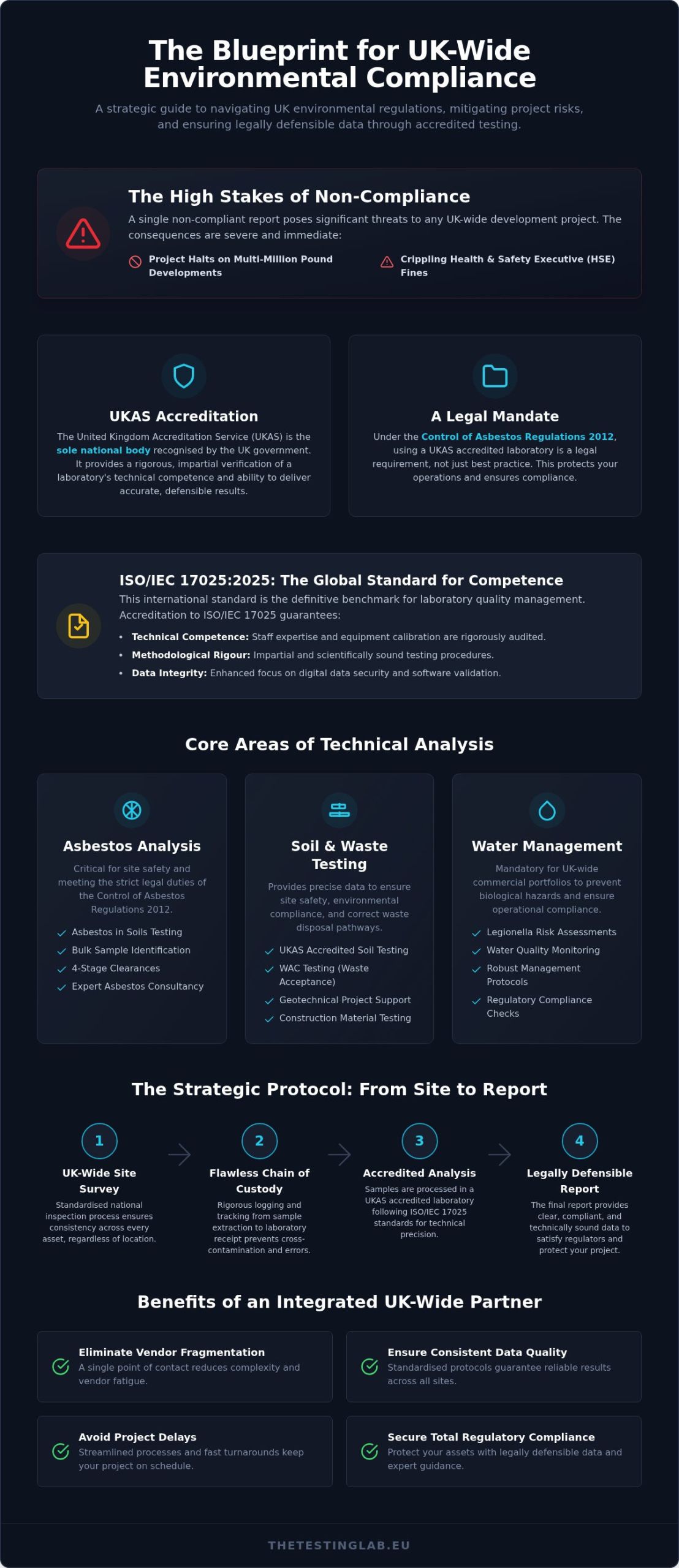
A single non-compliant report can halt a multi-million pound project and trigger crippling HSE fines before the first brick is laid. It’s a risk no developer or contractor should carry. We know that managing environmental risks across different regions often leads to project delays and the headache of juggling multiple vendors. You need more than just a service provider; you require a strategic partner who understands that technical precision ensures business continuity. By prioritizing UKAS accredited soil testing, you secure the legally defensible data necessary to satisfy regulators and protect your UK-wide operations.
This guide explains how the latest ISO/IEC 17025:2025 standards and updated British Standards like BS 1377-9:2025 provide the framework for your success. You’ll learn how consolidating your laboratory requirements ensures clear compliance reports and eliminates slow turnaround times. We’ll show you how to streamline your path to total regulatory compliance through methodological rigour and national expertise.
Key Takeaways
- Understand why UKAS accreditation is the only government-recognised standard required to meet strict legal obligations under the Control of Asbestos Regulations 2012.
- Learn how to integrate asbestos consultancy and Legionella risk assessments into a single, UK-wide environmental management strategy to eliminate vendor fragmentation.
- Discover how UKAS accredited soil testing provides the technical precision and methodological rigour needed to ensure legally defensible results for complex construction projects.
- Master the strategic testing protocols, from national site surveys to the final report, that protect your operations from project delays and high-stakes HSE penalties.
The Significance of UKAS Accreditation for UK-Wide Compliance
The United Kingdom Accreditation Service (UKAS) stands as the sole national accreditation body recognised by the UK government. It’s not an optional badge of honour; it’s a rigorous verification of a laboratory’s ability to deliver accurate results. For any site development, especially those requiring UKAS accredited soil testing, this accreditation ensures that the data you receive is technically sound and internationally recognised. This oversight provides the confidence that testing procedures remain consistent across all UK-wide projects, regardless of the site’s complexity.
Under the Control of Asbestos Regulations 2012, using an accredited laboratory isn’t just best practice; it’s a legal mandate. Failure to engage a qualified asbestos consultancy for testing can lead to immediate work stoppages and severe HSE penalties. Beyond asbestos, having legally defensible data protects your business reputation from the fallout of failed inspections or environmental disputes. Partnering with an accredited expert for construction material testing ensures every structural component meets the required safety thresholds. It removes the burden of compliance from your team, allowing you to focus on delivery.
ISO/IEC 17025: The Gold Standard for Laboratory Competence
ISO/IEC 17025 is the global benchmark for laboratory quality management, specifically designed to demonstrate technical competence. The accreditation process involves exhaustive audits covering equipment calibration, staff expertise, and impartial methodology. With the recent transition to ISO/IEC 17025:2025, there’s an even sharper focus on digital data integrity and software validation. It ensures that the laboratory doesn’t just produce a number, but a result backed by scientific certainty. ISO/IEC 17025 serves as the definitive technical foundation that guarantees the precision and reliability of every laboratory report.
Technical Excellence in Asbestos, Water, and Soil Analysis
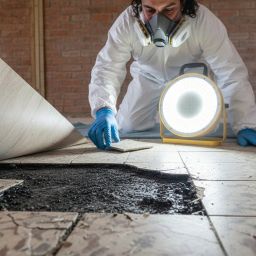
Successful land redevelopment doesn’t just happen; it requires precise data from the outset. For geotechnical projects, asbestos in soils testing is a critical component for identifying legacy contamination before excavation begins. This process integrates seamlessly with UKAS accredited soil testing to ensure site safety and environmental compliance across your entire site. When managing existing structures, an expert asbestos consultancy provides the bulk identification and 4-stage clearances necessary to protect workers. These protocols are essential for meeting the strict legal requirements of the Control of Asbestos Regulations 2012 without causing project bottlenecks.
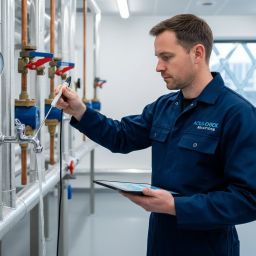
Operational compliance extends beyond the ground. Robust Legionella risk assessments and water management protocols are mandatory for UK-wide commercial portfolios to prevent biological hazards. Additionally, WAC testing ensures your waste classification is accurate, preventing the financial penalties associated with incorrect disposal. You can partner with an independent specialist to ensure these technical workflows align with your project goals.
Integrated Occupational Hygiene and Environmental Monitoring
Juggling multiple vendors often leads to fragmented data and project delays. A multi-disciplinary laboratory approach reduces vendor fatigue by providing consistent data quality through a single point of contact. By including structural and fire risk assessments, you address every vulnerability. Choosing an independent laboratory for your UKAS accredited soil testing is vital. It guarantees unbiased results and provides the legal certainty needed to protect your assets.
Strategic Testing Protocols: From Site Survey to Accredited Report
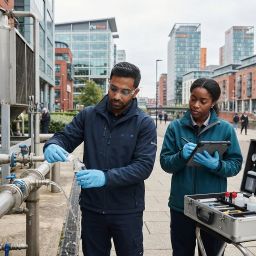
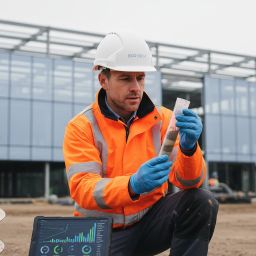
Managing a UK-wide portfolio requires a standardized national survey and inspection process. It ensures consistency across every asset, regardless of location. The integrity of your data hinges on a flawless chain of custody. Without robust tracking protocols, samples risk cross-contamination, which renders your UKAS accredited soil testing results legally indefensible. We implement rigorous logging from the point of extraction through to laboratory receipt. This methodological rigour prevents errors that could lead to project-halting disputes.
Interpreting a lab analysis certificate is equally critical for maintaining HSE compliance. You shouldn’t just look for a binary result. Instead, verify that detection limits and methodologies align with specific regulatory thresholds. For example, UKAS accredited asbestos testing documentation must explicitly state the analytical techniques employed. This transparency ensures that if an inspector visits your site, your documentation provides an unshakeable shield against liability.
Streamlining National Compliance Through Accredited Professionalism
Efficient logistics form the backbone of national project delivery. By utilizing centralized laboratory facilities, we manage sample collection UK-wide with precision and speed. Digital reporting is a key driver here. It maintains project momentum by delivering instant access to results, helping you avoid the site shutdowns that often stem from administrative delays. Partnering with a strategic expert means you don’t carry the technical burden of compliance alone. We manage the scientific complexities, allowing your team to focus on operational excellence. This proactive approach transforms a mandatory requirement into a streamlined part of your workflow.
Securing Your Project’s Future with Technical Precision
Total regulatory compliance requires more than just ticking boxes; it demands a methodological approach backed by scientific certainty. By integrating UKAS accredited soil testing with comprehensive asbestos and water management, you eliminate the risks of vendor fragmentation and project delays. Our independent professional consultancy provides the technical rigour needed to protect your reputation and ensure every report is legally defensible. With our UK-wide site surveying network and UKAS accredited testing laboratory, you can be confident that the most critical points of your operation are in expert hands.
It’s time to take the burden of compliance off your shoulders and focus on delivering your core project goals. Request a UK-Wide Compliance Quote from The Testing Lab PLC today and secure the strategic partnership your business deserves. Let’s build a foundation of safety and precision together.
Frequently Asked Questions
Why is UKAS accreditation important for my laboratory testing?
UKAS accreditation is the only formal recognition of a laboratory’s technical competence recognized by the UK government. It ensures your test results are accurate and legally defensible during HSE inspections or planning applications. For projects requiring UKAS accredited soil testing, this standard provides the necessary assurance that methodology and equipment calibration meet national benchmarks. It’s about mitigating risk and ensuring project continuity.
How do I verify if a laboratory is truly UKAS accredited?
You can verify a laboratory’s status by searching the UKAS website using their unique four-digit accreditation number. It’s essential to check the lab’s “Schedule of Accreditation” to confirm that the specific tests you require, including UKAS accredited soil testing, are explicitly listed in their scope. Accreditation isn’t a blanket approval; it applies only to the specific methods the lab has been audited for.
What is the difference between accreditation and certification in the UK?
Certification, such as ISO 9001, confirms that a business follows a consistent management system. Accreditation, specifically ISO/IEC 17025 for laboratories, goes further by proving the technical competence of the staff and the accuracy of the equipment for specific tests. While certification shows organizational order, only accreditation provides the scientific certainty required for high-stakes environmental testing. It’s the higher bar for technical excellence.
Do I need a UKAS accredited lab for WAC waste acceptance criteria testing?
Landfill operators and environmental regulators typically require WAC testing to be performed by a UKAS accredited laboratory. This ensures the classification of your waste as inert, non-hazardous, or hazardous is based on precise, standardized methodology. Using a non-accredited facility risks having your waste rejected at the disposal site. This often causes significant logistical disruptions and unexpected costs that can derail your project timeline.

Article by
P J F Thomas
CEO and Founder of TTL plc.
Disclaimer
Items declared are AI generated but do reflect our services. Please get in contact if you have any questions.