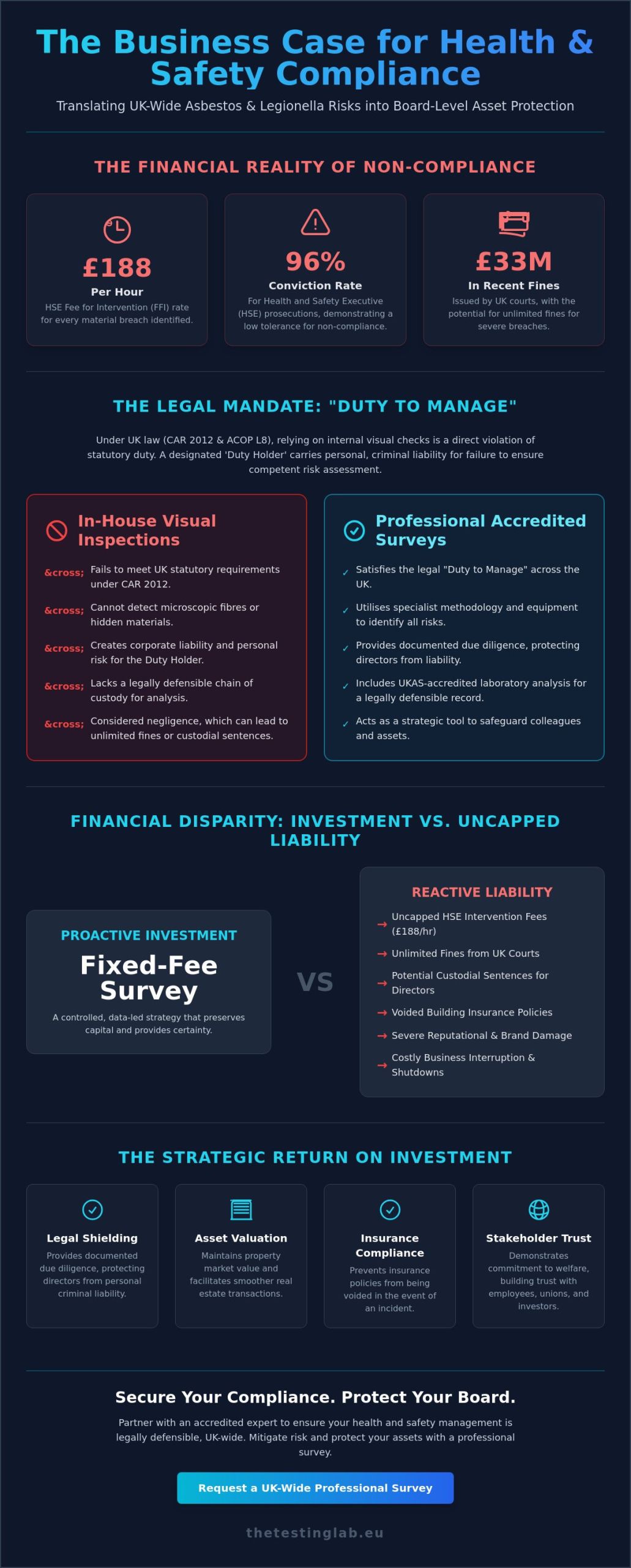
Did you know that the Health and Safety Executive (HSE) now charges a Fee for Intervention rate of £188 per hour the moment they identify a material breach? When you’re standing in a boardroom trying to justify the cost of an asbestos or legionella inspection, it’s easy for leadership to see only the invoice rather than the insurance policy it provides. We understand the frustration of balancing a strict budget with the heavy burden of the Duty to Manage, especially when the threat of personal liability for non-compliance feels very real. Building a compelling business case for health and safety surveys isn’t just about ticking boxes; it’s about translating technical risks into the language of board-level asset protection.
This article provides the precise framework you need to secure the necessary budget by leveraging UK legislation and recent risk-mitigation data. You’ll learn how to articulate the financial impact of the 96% conviction rate for HSE prosecutions and the £33 million in fines issued recently. We’ll walk through the steps to present a professional survey as a strategic tool that safeguards your colleagues, ensures UK-wide compliance, and protects the board from the risk of criminal prosecution.
Key Takeaways
- Define the legal “Duty to Manage” under CAR 2012 to demonstrate why internal visual inspections fail to meet UK statutory requirements.
- Construct a compelling business case for health and safety surveys by highlighting the long-term ROI through protected property values and reduced insurance premiums.
- Evaluate the financial disparity between a fixed-fee professional survey and the uncapped liabilities associated with HSE enforcement actions.
- Identify why UKAS-accredited laboratory analysis is the gold standard for securing an unbiased, legally defensible assessment of environmental risks.
The Legal Mandate: Why ‘DIY’ Site Inspections Create Corporate Liability
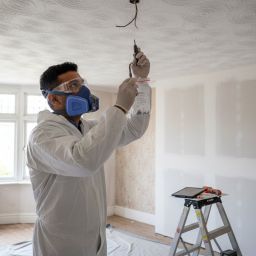
Relying on internal staff to “have a look” for hazardous materials isn’t just risky; it’s a direct violation of UK statutory law. The Control of Asbestos Regulations 2012 (CAR 2012) creates a statutory “Duty to Manage” that requires duty holders to identify, assess, and manage the risks from asbestos-containing materials (ACMs). Visual inspections by untrained personnel consistently fail to meet these legal standards because microscopic fibres and hidden ACMs are impossible to detect without specialist equipment and methodology. Similarly, managing Legionella risks in commercial water systems requires strict adherence to ACOP L8, which mandates a competent risk assessment that goes far beyond checking water temperatures. The designated Duty Holder carries personal responsibility for these assessments, and negligence can result in unlimited fines or custodial sentences under criminal law.
Understanding Statutory Compliance UK Wide
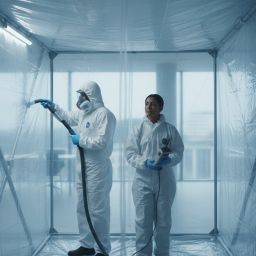
Commercial property owners and employers across the UK must navigate a complex web of Occupational safety and health regulations to ensure worker safety. A Management Survey is the baseline requirement for normal building occupancy, designed to locate ACMs that could be damaged during daily activities. However, if any structural work is planned, a more intensive Refurbishment or Demolition Survey is legally required to identify materials within the building fabric. Partnering with professional asbestos consultancy services ensures you select the correct survey type, preventing the legal and physical risks of accidental exposure.
The Risks of Inadequate Site Inspections
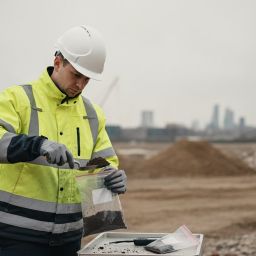
Hidden hazards often lie in places the untrained eye would never consider. For example, asbestos in soils can be disturbed during minor groundworks or landscaping, leading to significant environmental contamination and expensive remediation. Professional surveys provide a rigorous chain of custody for every sample taken, ensuring that accredited laboratory analysis provides a legally defensible record of your site’s condition. This technical precision is a fundamental component of any robust business case for health and safety surveys, as it eliminates the guesswork that leads to HSE interventions and the current £188 hourly Fee for Intervention rate.
Building the Business Case: ROI and Risk Mitigation
Developing a robust business case for health and safety surveys requires shifting the focus from immediate expenditure to long-term asset protection. A professional survey isn’t a discretionary cost; it’s a fixed-fee investment that prevents the uncapped financial drain of a Health and Safety Executive (HSE) intervention. Under the current Fee for Intervention (FFI) scheme, the HSE charges £188 per hour to recover costs whenever a material breach is identified. These costs escalate rapidly during complex investigations, often dwarfing the initial price of a proactive inspection. By following the RICS Surveying Safely Guidance, organisations can move from reactive, panic-driven spending to a controlled, data-led strategy that preserves capital.
The Financial Reality of Non-Compliance
The legal consequences of neglecting environmental risks are severe. UK courts can impose unlimited fines, and directors face potential prison sentences for serious health and safety failings. Beyond these penalties, non-compliance often voids building insurance policies, leaving the business fully exposed to claims. For instance, skipping a professional legionella risk assessment can lead to total system shutdowns if bacteria levels spike. These operational halts are far more expensive than the assessment itself, as they disrupt business continuity and revenue streams.
Protecting Reputation and Stakeholder Trust
A public health scandal causes brand damage that no marketing budget can easily fix. Proactive surveying demonstrates a commitment to transparency and worker welfare, which is essential for maintaining trust with employees, unions, and investors. When you present your business case for health and safety surveys to the board, use these strategic talking points to highlight the broader benefits:
- Legal Shielding: Surveys provide documented evidence of due diligence, protecting directors from personal criminal liability.
- Asset Valuation: Certified compliance reports maintain the market value of the property and facilitate smoother real estate transactions.
- Predictive Budgeting: Professional reports provide a clear roadmap for remedial works, allowing for planned maintenance rather than emergency repairs.
- Operational Resilience: Early detection of hazards like asbestos or legionella prevents unplanned site closures and workforce displacement.
To begin quantifying your specific site risks, you can consult with our technical team at thetestinglab.eu for a preliminary compliance review.
Strategic Implementation: Selecting a UKAS Accredited Partner
Selecting a partner is the final, critical step in your business case for health and safety surveys. UKAS accreditation represents the gold standard for laboratory analysis and site surveying; it’s the only way to guarantee that the technical data you present to the board is accurate and reliable. An independent laboratory provides an entirely unbiased assessment of environmental risks. Because we don’t have a vested interest in the subsequent removal or remediation works, our findings remain objective and scientifically sound. This transparency is essential for building trust with stakeholders who need to know that the data hasn’t been skewed by a desire for additional contractor fees.
Once the survey is complete, you’ll receive a UKAS-accredited analysis certificate. This document is a vital piece of your corporate compliance record; it serves as physical proof that you’ve met your Duty to Manage. The Testing Lab PLC acts as a strategic partner for UK-wide national compliance, providing the methodological precision required to satisfy both internal auditors and external regulators. We don’t just provide a report; we deliver a defensible asset that protects your organisation’s legal standing and operational integrity.
Why UKAS Accreditation is the Board’s Best Insurance
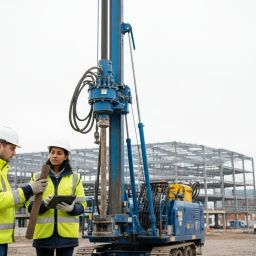
For a director, UKAS accreditation is the only insurance policy that holds up under legal scrutiny. It ensures that every soil sample or water test is legally defensible, which is particularly important for specialised requirements like asbestos in soils testing. Improper sampling in groundworks can lead to massive environmental liabilities and project delays. Whether you need local asbestos and legionella surveying or a multi-site national audit, the accreditation status of your provider is the single most important factor in your business case for health and safety surveys.
Next Steps: Securing a Professional Quote
To move forward, begin gathering essential site data such as building age, total square footage, and any previous survey history. This information allows for a more accurate and efficient scoping process, ensuring that the quote you receive is tailored to your specific infrastructure. When you’re ready to transition from planning to action, you can request a professional survey quote to define your compliance roadmap and secure your facility’s future.
Securing Your Corporate Future Through Precise Compliance
Transitioning from a reactive safety culture to a proactive, data-driven strategy is the most effective way to protect your organization’s assets and leadership. By grounding your business case for health and safety surveys in the reality of current UK legislation, you move beyond simply ticking boxes. You’re building a resilient framework for long-term operational success. Professional oversight is the only way to mitigate the risk of personal criminal liability while simultaneously preserving property value and stakeholder trust. Relying on accredited expertise eliminates the uncertainty that often leads to costly HSE interventions and irreversible reputational damage.
The Testing Lab PLC stands ready as your strategic partner. We offer comprehensive national UK-wide coverage and the technical precision of a UKAS Accredited Laboratory. Our methodology is firmly rooted in UK Health and Safety legislation, ensuring that every report we produce serves as a defensible insurance policy for your board. Don’t leave your site’s safety to chance when you can rely on engineering-grade accuracy and methodological transparency.
Secure your business with a UK wide professional survey today. Proactive management is the hallmark of a responsible, future-proof organization.
Frequently Asked Questions
Is a professional asbestos survey a legal requirement for all UK businesses?
Yes, a professional asbestos survey is a legal requirement for all non-domestic premises built before the year 2000 under the Control of Asbestos Regulations 2012. The Duty to Manage necessitates a thorough assessment to identify any asbestos containing materials. While the regulations don’t explicitly mandate a third party, the surveyor must be competent. In practice, professional surveys are the only way to ensure legal defensibility and the technical accuracy required for compliance.
What happens if my boss refuses to pay for a legionella risk assessment?
If a legionella risk assessment is refused, the designated Duty Holder remains legally liable for any health outbreaks or regulatory breaches. This refusal significantly strengthens the business case for health and safety surveys because the cost of an assessment is negligible compared to HSE Fee for Intervention charges or unlimited fines. Failure to act constitutes a breach of the Health and Safety at Work etc. Act 1974, potentially leading to criminal prosecution for company directors.
Can we use an in-house maintenance team to conduct a health and safety survey?
You can only use an in-house team if they possess the specific training, experience, and equipment required to be deemed competent under UK law. For asbestos, this typically means holding BOHS P402 qualifications. Most maintenance teams lack the necessary UKAS accredited laboratory support to provide legally valid analysis. Using uncertified staff often leads to missed hazards, creating a false sense of security that increases corporate liability rather than reducing it.
How often should a professional compliance survey be updated for UK wide properties?
Asbestos management surveys for UK wide properties should typically be reviewed annually to monitor the condition of known materials. Legionella risk assessments don’t have a fixed expiry date but must be updated whenever there’s a significant change to the water system or if the previous assessment is no longer valid. Maintaining a regular schedule ensures your business case for health and safety surveys remains current, reflecting the actual risk profile of your estate.

Article by
P J F Thomas
CEO and Founder of TTL plc.
Disclaimer
Items declared are AI generated but do reflect our services. Please get in contact if you have any questions.