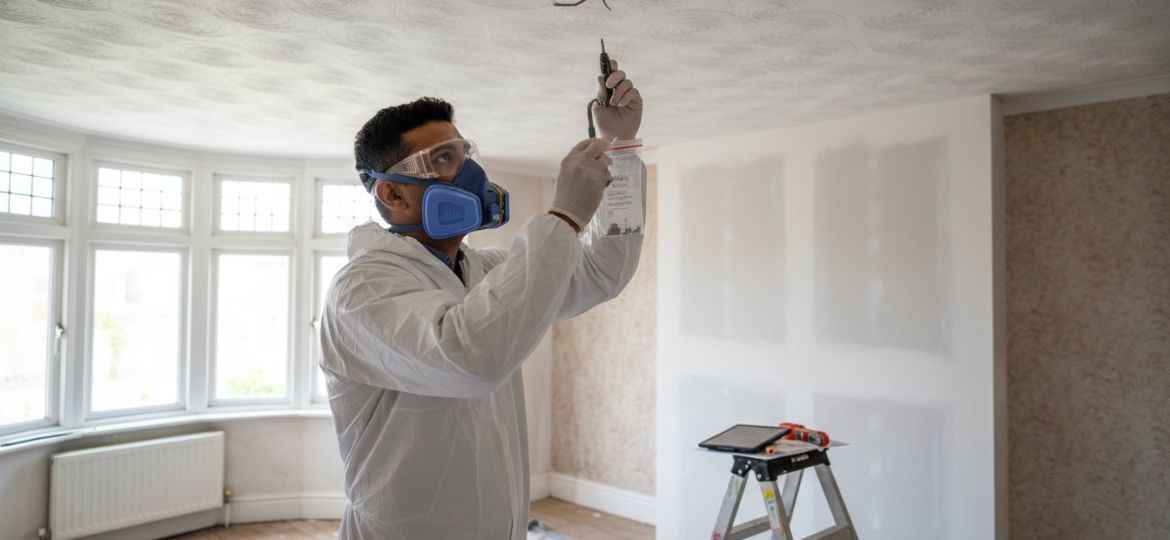
Over 75% of UK buildings constructed before 1999 still contain asbestos, according to 2024 HSE data. You’re right to be concerned about the hidden health risks of airborne fibres during your next renovation, even if you’re specifically investigating asbestos in the home Doncaster. Managing these risks requires a rigorous, scientific approach that applies to every property across the country. It’s a national challenge that demands engineering precision.
This guide delivers a professional, laboratory led framework for identifying and testing residential asbestos containing materials (ACMs) in full compliance with current legislation. You’ll gain a clear roadmap for UK wide compliance and a step by step path to securing accredited results. We’ll examine the technical differences between Management and Refurbishment surveys to ensure you have total peace of mind before any work begins.
Key Takeaways
- Learn to identify common asbestos-containing materials in UK wide homes, from Artex finishes to floor tiles, ensuring no hidden risks remain in older properties.
- Understand why UKAS-accredited laboratory analysis using polarised light microscopy is the essential scientific standard for confirming safety in any UK wide residential setting.
- Determine whether your project requires a Management or Refurbishment survey to maintain strict compliance with current UK wide health and safety legislation.
- Gain clarity on the ‘Duty to Manage’ and the essential disclosure requirements for asbestos in the home Doncaster and other UK wide residential properties.
- Master the interpretation of professional laboratory analysis reports to develop a precise, safety-led strategy for long-term UK wide asbestos management.
Identifying Asbestos in Residential Properties UK Wide
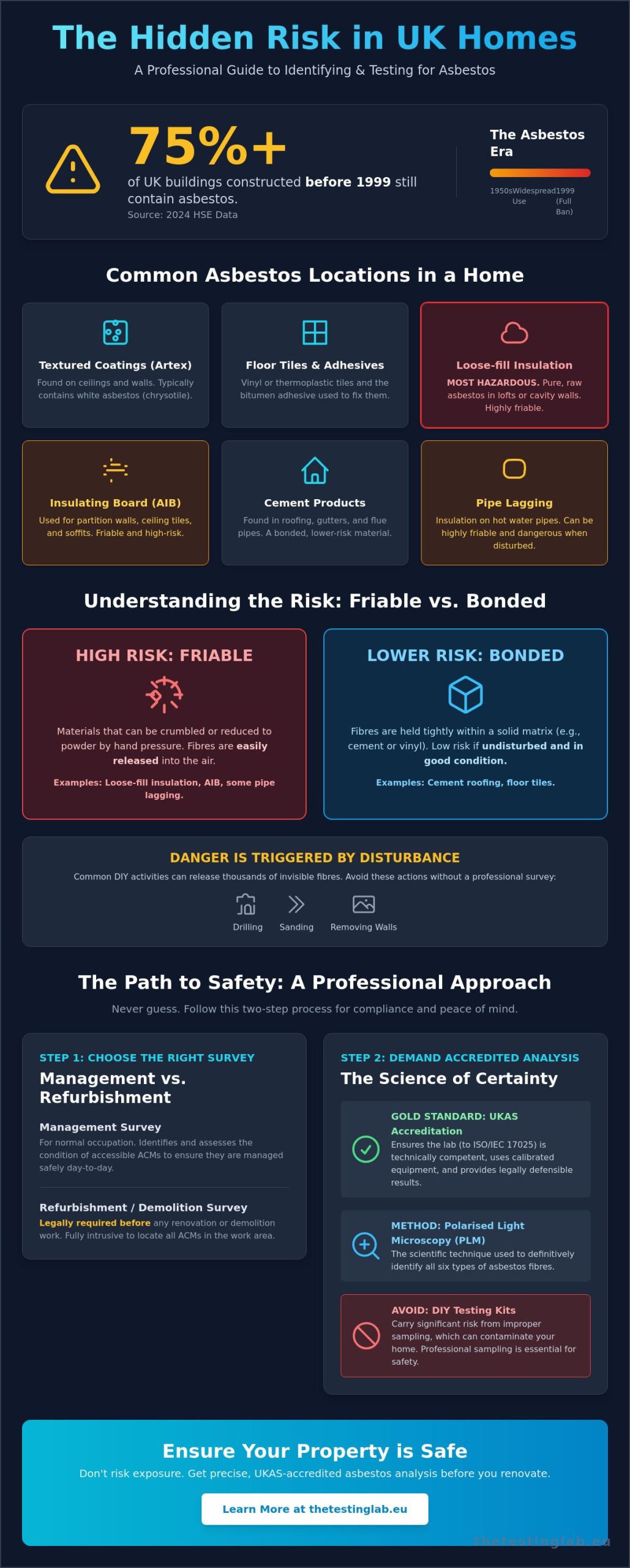
Asbestos is a group of six naturally occurring minerals that became a staple in UK construction due to its high tensile strength and chemical resistance. Between the 1950s and the late 1990s, it was integrated into thousands of building products. Understanding What is Asbestos is the first step in managing safety, as the material was only fully banned in the UK in 1999. Before this date, it was used in everything from structural fireproofing to decorative finishes.
The risk is often described as invisible because asbestos fibres are microscopic. You cannot identify their presence through a simple visual inspection. This uncertainty makes professional testing essential for any property built before the turn of the millennium. The Control of Asbestos Regulations 2012 provides the legal framework for managing these materials. While these regulations primarily target non-domestic premises, they dictate the rigorous standards for asbestos consultancy and removal that protect residential occupants during renovations or maintenance. Whether you’re researching asbestos in the home or anywhere else in the country, the underlying science of fibre identification doesn’t change.
Common Asbestos-Containing Materials (ACMs) in the Home
- Textured Coatings: Often known by the brand name Artex, these were popular until the mid-1980s and usually contain white asbestos (chrysotile).
- Floor Tiles: Vinyl or thermoplastic tiles used throughout the 20th century often contain asbestos within the tile itself or the bitumen adhesive used to secure them.
- Loose-fill Insulation: This is the most hazardous residential form, consisting of pure, raw asbestos used in lofts or cavity walls. It’s highly friable and easily becomes airborne.
When Does Asbestos Become Dangerous?
The danger level of asbestos depends on its condition and its ability to release fibres. Professionals distinguish between bonded and friable materials. Bonded materials, like floor tiles or cement, hold the fibres tightly within a solid matrix. They’re generally low risk if they remain in good condition. Friable materials, such as AIB or pipe lagging, can be crumbled or reduced to powder by hand pressure, making them significantly higher risk.
DIY activities are the primary cause of fibre release in residential settings. Actions like drilling into a textured ceiling, sanding down old floor tiles, or removing internal partition walls without a survey can release thousands of invisible fibres into the air. Once inhaled, these fibres can lodge in the lungs for decades. Latent risk refers to the hidden danger posed by dormant asbestos fibres that remain harmless until physical disturbance or material degradation triggers their release into the atmosphere.
The Science of UKAS Accredited Asbestos Testing
Identifying hazardous materials requires more than a visual inspection; it demands a rigorous, scientific methodology. In the United Kingdom, the United Kingdom Accreditation Service (UKAS) serves as the sole national body recognised by the government to assess the competence of testing laboratories. When searching for information on asbestos in the home Doncaster or elsewhere across the UK, you’ll find that UKAS accreditation to the ISO/IEC 17025 standard is the only benchmark that guarantees technical accuracy. This accreditation ensures that the laboratory uses calibrated equipment, maintains high environmental controls, and employs technicians who’ve passed stringent proficiency testing.
The core of professional analysis lies in Polarised Light Microscopy (PLM). This technique allows analysts to exploit the unique optical properties of silicate minerals. By viewing a sample under 80x to 500x magnification and using specific refractive index liquids, we can confirm the presence of asbestos with absolute certainty. This methodical approach eliminates the guesswork that often leads to dangerous mismanagement of building materials.
Why Professional Analysis Beats DIY Kits
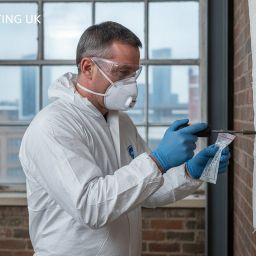
High-street DIY testing kits often promise a cheap and quick solution, but they carry significant risks. The primary danger isn’t just the analysis, it’s the sampling process itself. Professional surveyors use wet-sampling techniques and high-efficiency particulate air (HEPA) vacuums to prevent the release of microscopic fibres during the process. An untrained individual taking a dry sample can inadvertently contaminate a living room, creating a long-term health hazard where none previously existed. Statistics suggest that up to 15% of DIY samples are compromised by cross-contamination or insufficient sample size.
Legally, DIY kits hold very little weight. If you’re selling a property or planning a renovation, the Law Society and local building authorities typically require a certificate from a UKAS accredited laboratory. Without a formal ‘Chain of Custody’, which documents the sample’s journey from your home to the microscope, the results aren’t considered legally robust for insurance purposes or property disclosures.
The Laboratory Process Explained
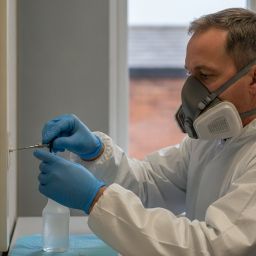
Once a sample arrives at our facility, it’s treated with meticulous care within a controlled environment. We first perform a preliminary examination to isolate suspect fibres from the surrounding matrix, such as cement, vinyl, or textured coatings. The laboratory team then classifies the material into one of the three main types found in UK buildings: Chrysotile (white), Amosite (brown), or Crocidolite (blue). For more complex materials, we might employ UKAS accredited asbestos testing protocols that involve acid digestion to remove interference from organic binders.
Every step of this process aligns with the HSE Asbestos Regulations and Guidance, ensuring that the final report is a definitive legal document. Whether you’re managing a single property or investigating asbestos in the home Doncaster homeowners often find in older post-war builds, the laboratory report provides the data needed to make informed safety decisions. If you’re uncertain about a material in your property, it’s best to request a professional laboratory assessment before starting any work.
Management vs. Refurbishment Surveys: Which Do You Need?
Managing asbestos requires a methodical, engineering-led approach. The Health and Safety Executive (HSE) provides clear guidance through the HSG264 document, which dictates the standards for all UK wide property inspections. You can’t rely on guesswork when dealing with materials installed before the final UK wide ban in November 1999. Choosing the correct level of inspection is a legal necessity that protects both your health and your liability. Whether you’re assessing a new purchase or planning a renovation, identifying the presence of asbestos in the home Doncaster is the first step toward a compliant safety strategy.
The Residential Management Survey
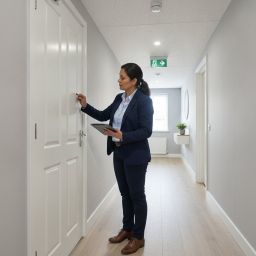
This is the standard inspection required for the ongoing occupation and maintenance of a building. Its primary purpose is to locate, as far as reasonably practicable, the presence and extent of any suspected Asbestos Containing Materials (ACMs) that could be damaged or disturbed during normal occupancy. It’s a non-intrusive process, meaning we won’t damage your finishes or structural elements. Our surveyors produce a comprehensive asbestos register that details the condition of each material. If you’re confused about which level of detail your property requires, you can explore the different asbestos survey types to ensure you’re meeting UK wide compliance standards.
The Refurbishment and Demolition Survey
To determine which survey fits your current goals, consider these three factors:
- Intent of Work: If you’re simply living in the property or performing minor surface repairs, a Management Survey is sufficient.
- Structural Impact: Any project involving the lifting of floors, removal of walls, or roof replacements requires a full R&D survey.
- Property Transactions: Most lenders and solicitors require a management survey to understand the risks of asbestos in the home Doncaster before a sale is finalised.
At The Testing Lab, we view these surveys as a critical component of your property’s quality assurance. We don’t just provide a list of findings; we act as a strategic partner to help you interpret the data and manage any identified risks with laboratory-grade precision.
Legal Obligations for UK Homeowners and Landlords
UK legislation regarding hazardous materials is stringent, particularly under the Control of Asbestos Regulations 2012. While the “Duty to Manage” primarily targets non-domestic properties, it extends to the communal parts of residential buildings. This includes foyers, lift shafts, and shared roof voids in blocks of flats. The Health and Safety Executive (HSE) monitors these areas to prevent accidental exposure during maintenance or renovation works. Homeowners often search for terms like asbestos in the home Doncaster when trying to understand their local risks, but the legal framework is consistent across the UK. It’s essential to recognize that any residential property built or renovated before the total ban in November 1999 likely contains some form of Asbestos Containing Materials (ACMs).
Responsibilities for Landlords and Property Managers
Landlords hold a significant legal burden to ensure tenant safety. You must conduct regular inspections and maintain an up-to-date asbestos register for all communal areas. This register acts as a live document, detailing the location and condition of any ACMs. If you fail to communicate these risks to maintenance staff or contractors, you’re liable for their exposure. Under Section 33 of the Health and Safety at Work etc. Act 1974, non-compliance can result in unlimited fines or prison sentences of up to 24 months. Precision in record-keeping isn’t just a recommendation; it’s a statutory requirement that prevents the 5,000 annual deaths currently attributed to past asbestos exposure in the UK.
- Annual Re-inspections: You must verify that identified ACMs haven’t degraded or been damaged.
- Risk Communication: All visiting tradespeople must sign the asbestos register before starting work.
- Emergency Protocols: Clear procedures must be in place if ACMs are accidentally disturbed.
Buying or Selling a Home with Asbestos
The presence of asbestos can complicate property transactions. Most mortgage lenders now require a professional asbestos survey for properties constructed before 2000. If a survey identifies high-risk materials like pipe lagging or loose-fill insulation, lenders may withhold funds until a specialist removes the hazard. Sellers should use a UKAS accredited laboratory report to provide transparency, which often helps in negotiating repair costs rather than losing a sale entirely. A seller’s duty of care requires the honest disclosure of all known ACMs to prevent future litigation under the Misrepresentation Act 1967.
Insurance policies also hinge on proactive management. Many UK insurers updated their terms in 2025 to exclude claims related to “gradual pollution” or known contaminants. If you don’t manage a known asbestos risk and it leads to a liability claim, your policy will likely be voided, leaving you with total financial responsibility for decontamination. Our team provides the technical clarity needed to stay compliant. For expert guidance on managing these risks, explore our asbestos consultancy services.
Don’t leave your property’s safety to chance. Request a professional asbestos survey quote today to ensure your home or portfolio meets all UK legal standards.
Professional Laboratory Solutions with The Testing Lab PLC
Reliable identification is the foundation of household safety. Our UK wide laboratory network uses advanced Polarised Light Microscopy (PLM) to deliver rapid, accurate results that eliminate guesswork. We don’t just provide data; we offer a technical partnership that ensures your home remains a safe environment. If you’re investigating asbestos in the home Doncaster or anywhere else in the country, our accredited processes provide the precision required for informed decision-making. We maintain a rigorous quality management system that aligns with 2026 industry standards, ensuring every sample undergoes meticulous scrutiny.
Our independent status means our findings are unbiased. We don’t have a financial interest in removal, which allows us to provide objective advice. This transparency is vital for homeowners who need to know if a material is genuinely hazardous or if it can be safely managed in situ. By choosing a specialist laboratory, you’re investing in peace of mind backed by scientific evidence and engineering-grade accuracy.
Understanding Your Asbestos Analysis Report
Your analysis certificate is more than just a list of results. It’s a technical document that breaks down sample references, specific material types like Chrysotile or Amosite, and the condition of the fibers. You should use this report to create a long-term management plan. If the report identifies asbestos in a firm, non-friable state, you can often leave it alone and monitor it. However, if the material is damaged, the report serves as the evidence you need to hire a licensed removal contractor. Understanding your asbestos analysis report helps you prioritize actions based on actual risk rather than fear.
The report follows strict UK legislation requirements, ensuring it’s valid for insurance and property sale purposes. We provide clear summaries so you don’t need a degree in chemistry to understand the risks. Our goal is to translate complex laboratory data into actionable steps for your property maintenance strategy.
Book Your Professional Inspection Today
Securing your home starts with a professional site survey. We offer comprehensive UK wide consultancy services to help you identify potential risks before they become liabilities. Our specialists are trained to handle residential properties with the same level of detail we apply to large scale industrial projects. You can access our asbestos consultancy expertise to ensure your home meets all current safety regulations.
Don’t leave your family’s health to chance. Whether you’re planning a renovation or you’ve discovered suspicious materials, our team is ready to help. Contact our specialists for a bespoke quote for your residential property. We’ll provide a clear, fixed-price proposal that covers everything from initial sampling to the final laboratory report, ensuring there are no hidden costs in your safety journey.
Secure Your Property with Scientific Precision
Managing hazardous materials requires more than just caution; it demands a scientific methodology. You’ve learned that UKAS ISO 17025 accreditation isn’t just a badge, it’s a guarantee of laboratory precision that ensures your family’s safety. Choosing the right survey type prevents illegal exposure and costly project delays. Many residents searching for information on asbestos in the home Doncaster find that independent verification is the only way to achieve total peace of mind. Professionals must handle these risks to ensure compliance with current UK legislation.
The Testing Lab PLC brings over 20 years of independent expertise to every residential inspection we conduct. Our UK wide coverage ensures that professional, lab-backed results are accessible regardless of your property’s age. We don’t just provide data; we act as your strategic partner in quality assurance. You can rely on our engineering-led approach to navigate complex safety standards and technical requirements with absolute transparency.
Request a professional asbestos testing quote for your home today
Your property’s safety is a critical priority that we’re ready to help you manage with precision and care.
Frequently Asked Questions
Is it illegal to have asbestos in my home in the UK?
It’s not illegal to have asbestos in your UK home. The law only bans the use, supply, and importation of asbestos materials, a regulation finalized in November 1999. If the material is in good condition and left undisturbed, it poses no immediate health risk. Our engineering approach prioritizes monitoring over unnecessary removal to maintain structural integrity and safety for all residents.
How much does a professional asbestos survey cost for a residential property?
A professional residential asbestos survey typically costs between £200 and £800 depending on the property size. According to 2024 industry benchmarks from Checkatrade, a standard three bedroom semi detached house averages £250 for a management survey. This price includes identifying any asbestos in the home and providing a detailed report. Costs fluctuate based on the number of samples required for laboratory analysis.
Can I remove asbestos from my own home myself safely?
You can legally remove certain non licensed asbestos materials yourself, but we strongly advise against it. The Control of Asbestos Regulations 2012 sets strict standards for handling these fibers because DIY removal often leads to accidental contamination. Professionals use H-class vacuums and specific wetting agents that household tools don’t have. Safety isn’t a place to cut corners when dealing with carcinogens.
What should I do if I think I have disturbed asbestos in my house?
You must evacuate the room and close all doors immediately if you suspect you’ve disturbed asbestos. Don’t attempt to clean the area with a vacuum or brush, as this spreads microscopic fibers into the air. Seal the room and contact a UKAS accredited professional to perform air monitoring. Rapid intervention prevents the 5,000 annual deaths currently attributed to past asbestos exposure in the UK.
How long does it take to get asbestos test results from a laboratory?
Most UKAS accredited laboratories deliver asbestos test results within 24 to 48 hours of receiving the sample. We understand that waiting creates anxiety for homeowners. Some facilities offer an emergency four hour turnaround for critical situations. Digital certificates are usually issued immediately after the microscopic analysis is complete, allowing you to make informed decisions about your property safety without delay.
Do I need an asbestos survey if my house was built after 2000?
You don’t typically need a survey if your property was built after the year 2000. The UK wide ban on all types of asbestos took full effect in November 1999. However, if your home was built in 1999 or early 2000, some builders might’ve used remaining stockpiles of materials. Check your property deeds or construction dates to be 100% certain before starting any major renovations.
What is the difference between a sample test and a full survey?
A sample test analyzes one specific material, while a full survey assesses the entire property. A management survey is a standard requirement for identifying asbestos in the home during routine occupancy. A refurbishment survey is more intrusive and necessary before any construction work begins. Surveys provide a comprehensive risk register, whereas a single test only confirms a specific suspicion about one material.
Can asbestos be found in soil around residential properties?

Article by
P J F Thomas
CEO and Founder of TTL plc.
Disclaimer
Items declared are AI generated but do reflect our services. Please get in contact if you have any questions.