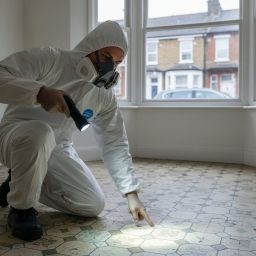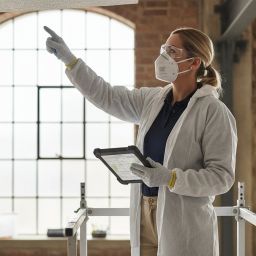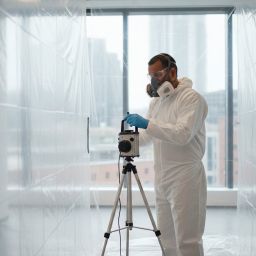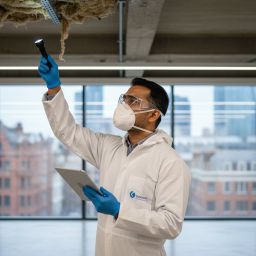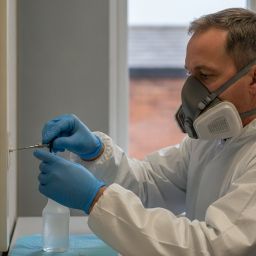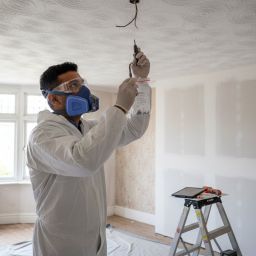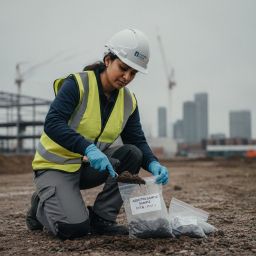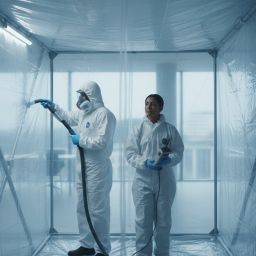
A visual inspection of a weathered panel is often nothing more than an educated guess that could cost your business thousands in HSE fines. We understand that managing UK-wide projects involves significant pressure, especially when the line between asbestos cement and asbestos insulating board (AIB) is so thin. It’s common to feel uncertain about removal costs when you can’t definitively identify the material on-site. Professional asbestos water absorption testing removes this ambiguity by using precise gravimetric analysis to determine a material’s porosity.
You’ll learn how this scientific approach ensures full compliance with the Control of Asbestos Regulations 2012 (CAR 2012) and provides the data required for correct classification. We’ll examine the critical 30% absorption threshold and provide a clear roadmap for distinguishing between licensed and non-licensed work. This technical overview clarifies the laboratory process, helping you mitigate risk and maintain safety standards across all your sites. For those managing complex portfolios, integrating these results into an asbestos and water management strategy is essential for compliance.
Key Takeaways
- Learn how gravimetric laboratory methods distinguish between visually identical materials like asbestos cement and insulating board to prevent costly classification errors.
- Identify the critical 30% threshold under CAR 2012 that dictates whether your removal work is legally classified as licensed or non-licensed.
- Discover why professional asbestos water absorption testing is the only definitive way to mitigate the risk of HSE penalties and ensure site safety.
- Ensure UK-wide project compliance by utilizing UKAS accredited laboratory analysis for precise, legally defensible material identification.
Understanding Asbestos Water Absorption Testing and Material Classification
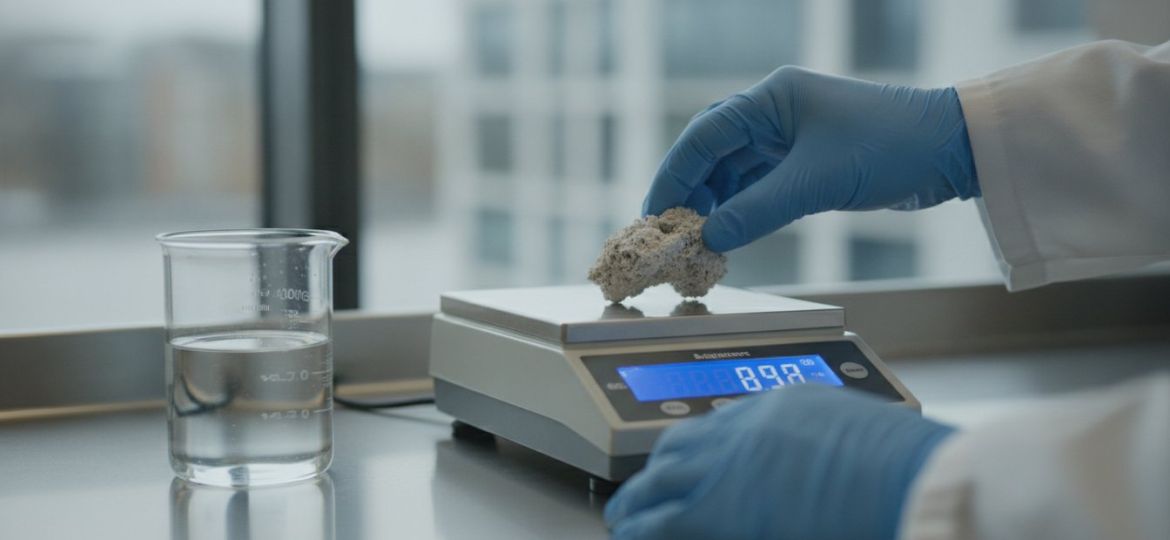
Accuracy in material classification is the foundation of any safe asbestos management plan. Asbestos water absorption testing is a specialised gravimetric laboratory method designed to quantify the density and porosity of a sample. This process involves weighing the sample in both a dry and saturated state to calculate the exact percentage of weight gain. By measuring the amount of water a material retains, technicians can accurately classify Asbestos Containing Materials (ACMs) that often look identical to the naked eye. This test is a mandatory step for accurate risk assessment when visual identification is inconclusive.
Understanding the underlying Asbestos properties and risks is vital for dutyholders across UK-wide projects. While both asbestos cement and insulating board contain hazardous fibres, their physical structure dictates how they behave during refurbishment or demolition. The asbestos water absorption testing protocol provides a precise metric to distinguish between these materials; this is crucial because visual similarities often mask vastly different risk profiles and regulatory requirements.
The Critical Distinction Between AIB and Asbestos Cement
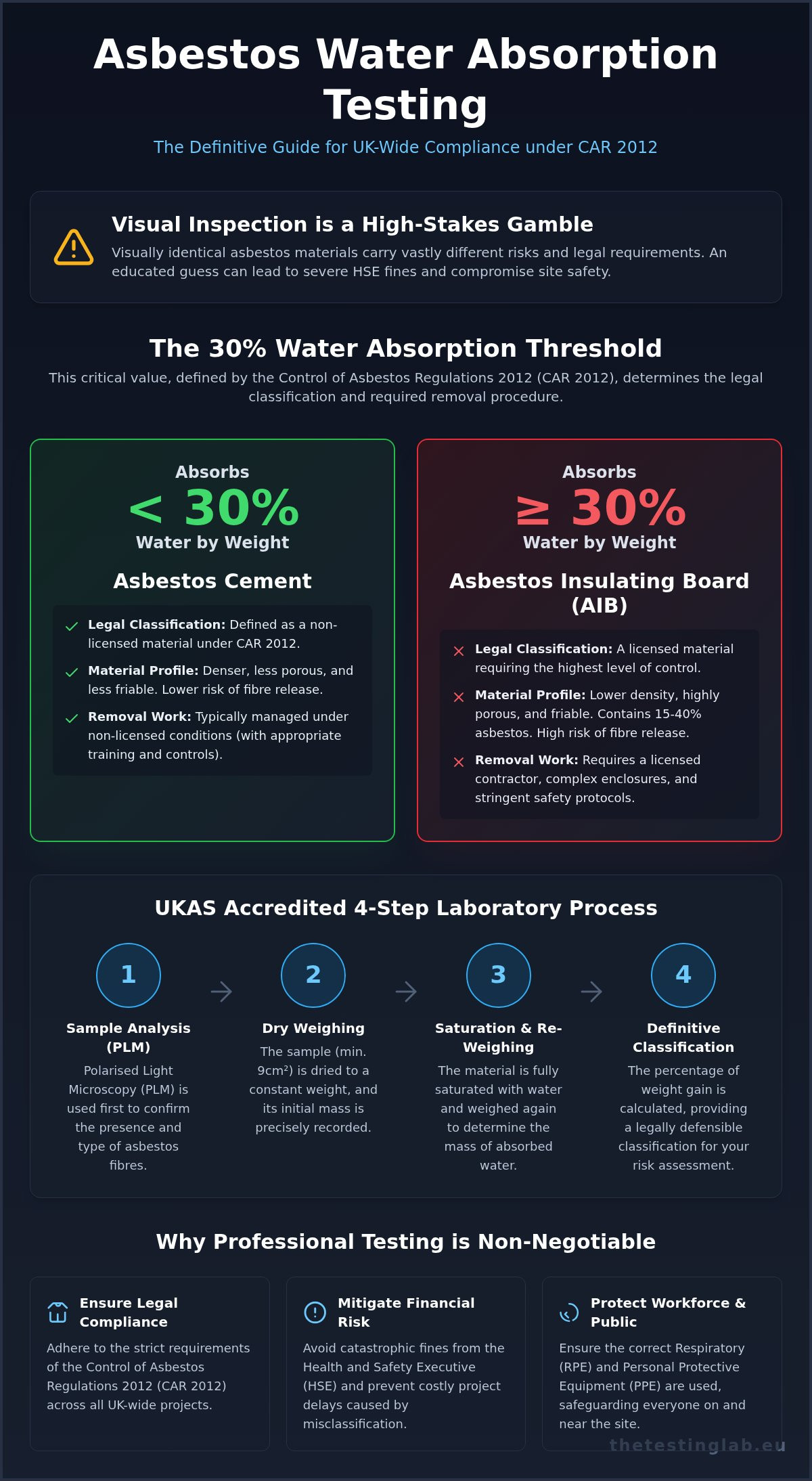
Asbestos Insulating Board (AIB) typically possesses a lower density and a significantly higher asbestos content, often ranging between 15% and 40%, compared to the lower concentrations found in cement products. This lower density makes AIB far more friable. It releases dangerous fibres much more easily when it’s disturbed, cut, or broken. Because of this increased risk, identifying AIB correctly is paramount for legal compliance and site safety. The distinction isn’t merely academic; it dictates whether a project requires a licensed contractor or can be managed under non-licensed conditions. Our asbestos consultancy services help clients interpret these laboratory results to establish safe working protocols and maintain project momentum.
The 30% Threshold: Legal Requirements Under CAR 2012
The Control of Asbestos Regulations 2012 (CAR 2012) provides the definitive framework for material classification. Under these regulations, asbestos cement is strictly defined as a material that absorbs less than 30% water by weight when in a dry state. If a sample exceeds this 30% limit, it’s legally classified as asbestos insulating board (AIB) or millboard. This distinction is critical because materials reaching or exceeding this threshold generally require a licensed contractor for removal. Accurate asbestos water absorption testing isn’t a mere technicality; it’s a legal necessity. The results dictate the required levels of Respiratory Protective Equipment (RPE), Personal Protective Equipment (PPE), and the complexity of the enclosure needed to protect workers and the public. Misclassification can lead to severe HSE fines and project delays, making laboratory data the only safe way to proceed.
How the Laboratory Testing Process Works
Our methodology follows a rigorous multi-stage approach to ensure UK-wide compliance. First, the sample undergoes Polarised Light Microscopy (PLM) to confirm the presence of asbestos fibres. Once confirmed, the gravimetric process begins. We dry the sample to a constant weight, record the mass, and then saturate it with water before re-weighing. The percentage increase reveals the material’s porosity. To ensure statistical accuracy and representative results, we require a sample size of at least 9cm². This precision allows project managers to move forward with confidence, knowing their risk assessments are grounded in scientific fact. If you’re managing complex portfolios and need certainty, you can request a testing quote to secure your compliance strategy.
Accredited Laboratory Analysis and UK-Wide Compliance
Choosing a UKAS accredited laboratory ensures that the foundational asbestos identification is performed to the highest national standards. This accreditation provides the necessary oversight for Polarised Light Microscopy (PLM), which must always precede porosity analysis. We provide UK-wide testing services, delivering fast and precise results that allow project managers to maintain momentum without compromising safety. According to resources on Water absorption testing from SGS, failure to identify the correct category of ACM can lead directly to prosecution by the Health and Safety Executive (HSE). Professional lab analysis provides a legally defensible certificate of results, which is an essential component of your health and safety file. These documents serve as definitive proof that your site’s risk assessments are based on empirical evidence rather than visual assumptions.
Strategic Partnership for Large-Scale UK Projects
The Testing Lab PLC acts as a strategic partner for developers and dutyholders, integrating asbestos water absorption testing data into broader long-term management plans. We don’t just provide numbers; we offer the technical clarity required to manage risk across extensive portfolios. Our UK-wide asbestos and legionella guide serves as a pillar for clients who need to standardise safety protocols across multiple locations. Beyond material classification, we support comprehensive site compliance through specialised services like asbestos in soils testing. This holistic approach ensures that every potential hazard is identified and quantified in a UKAS accredited environment. By partnering with us, you take the technical burden off your team and place it in the hands of specialists who prioritise precision and legal accuracy at every stage of the project lifecycle.
Securing Legal Compliance for Your UK-Wide Portfolio
Relying on visual identification for asbestos materials is a risk no project manager should take. By implementing professional asbestos water absorption testing, you move from guesswork to scientific certainty. This process ensures your projects remain in full compliance with CAR 2012 standards by identifying when the 30% threshold dictates licensed removal work. As an independent consultancy with over 20 years of experience, we provide the UKAS accredited laboratory analysis required to protect your workforce and your reputation. Our team acts as a strategic partner, delivering legally defensible results that integrate into your health and safety files. Don’t leave site safety to chance; choose precision over assumptions to maintain project momentum across all locations. You can request a professional asbestos testing quote for your UK-wide project today. We’re ready to support your compliance journey with technical excellence.
Frequently Asked Questions
Why is the 30% water absorption threshold so important for asbestos?
This threshold is vital because it dictates your entire site management strategy. Staying below 30% allows for non-licensed work on asbestos cement, which carries lower operational costs and simpler disposal routes. Once you exceed this limit, the material is legally AIB, requiring more robust enclosures, higher-grade RPE, and often a 14-day notification to the HSE for licensed removal projects.
Can I determine if a material is asbestos cement without a laboratory test?
No, you cannot reliably distinguish between asbestos cement and AIB by sight alone. These materials were often manufactured with similar textures and appearances, making visual assessments legally indefensible. Relying on guesswork can lead to severe HSE penalties and inadequate protection for workers. Only UKAS accredited asbestos water absorption testing provides the empirical data required to satisfy UK-wide health and safety regulations.
What happens if my asbestos sample absorbs exactly 30% water?
If a sample reaches exactly 30% water absorption, it’s generally treated as Asbestos Insulating Board (AIB) or millboard. Following the precautionary principle in health and safety management, any material at or above the threshold is subject to the more stringent control measures associated with high-porosity ACMs. This classification ensures that site managers don’t underestimate the potential for fibre release during refurbishment activities.
How long does an asbestos water absorption test take in a UKAS lab?
A standard asbestos water absorption testing procedure typically takes between 24 and 48 hours once the initial asbestos identification via Polarised Light Microscopy is complete. The gravimetric process requires the sample to be dried to a constant weight before saturation and re-weighing, which cannot be rushed without compromising accuracy. We provide these services UK wide to ensure that project timelines remain on track.

Article by
P J F Thomas
CEO and Founder of TTL plc.
Disclaimer
Items declared are AI generated but do reflect our services. Please get in contact if you have any questions.