Did you know that over 5,000 asbestos-related deaths occur in Great Britain annually? If your home was built or refurbished before the year 2000, it’s highly likely that asbestos-containing materials are present in floor tiles or textured coatings. We understand that the fear of disturbing fibres is overwhelming, especially when you’re faced with conflicting information about survey types. This guide simplifies the process of asbestos testing for homeowners UK, providing a professional roadmap for identification and legislative compliance across our UK wide service network. You’ll learn how to distinguish between high-risk materials and low-risk installations while understanding the necessity of UKAS accredited analysis. We’ll examine the methodological differences between management and refurbishment surveys, ensuring you have the precise data needed to protect your household and manage your property with confidence.
Key Takeaways
- Identify high-risk materials in residential properties built before 2000 and learn to distinguish between friable and non-friable asbestos to assess immediate household safety.
- Understand the critical role of the Control of Asbestos Regulations 2012 and why UKAS accredited testing is the only way to ensure full legislative compliance.
- Access a professional roadmap for asbestos testing for homeowners UK that covers the entire methodology from initial bulk sampling to final air clearance.
- Eliminate health risks and gain peace of mind through independent, third-party consultancy and accredited laboratory analysis available UK wide.
Identifying Asbestos Risks in Residential Properties UK Wide
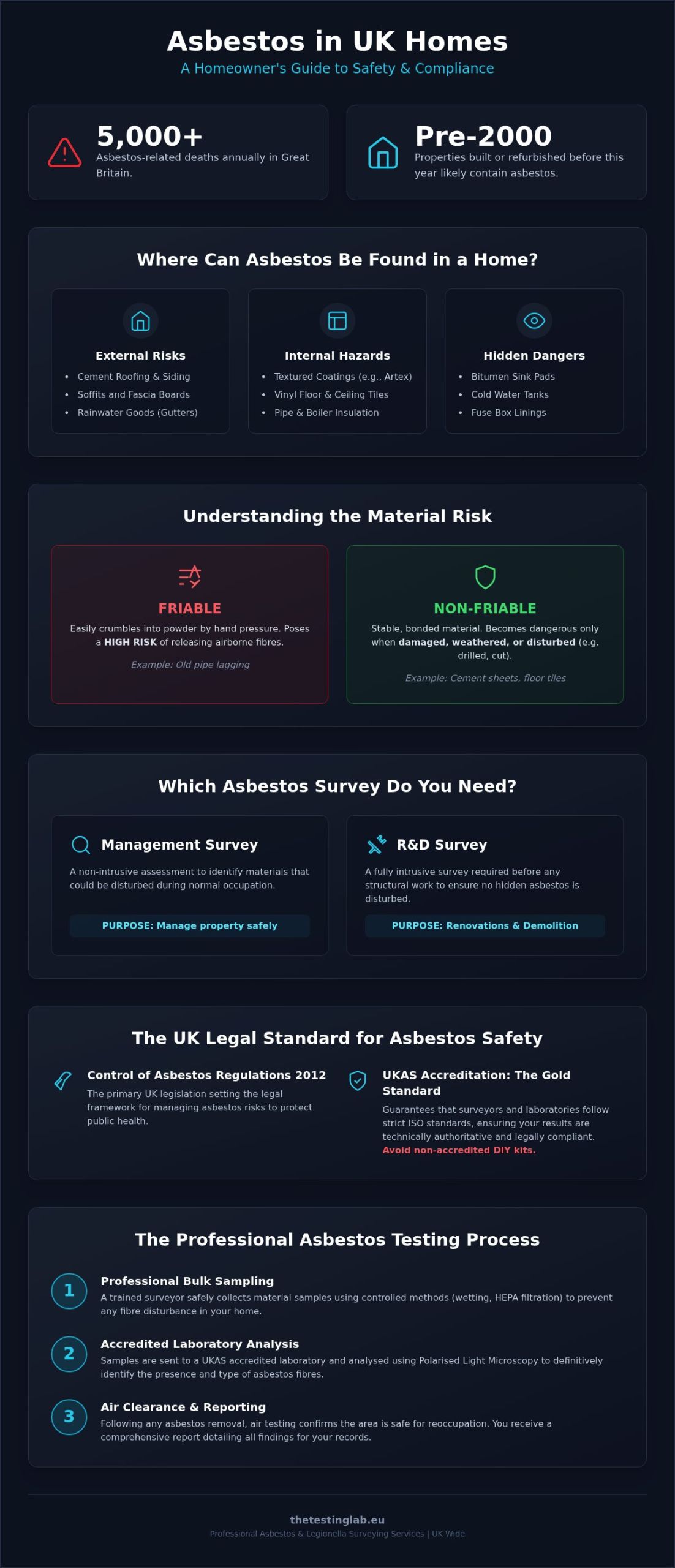
Asbestos was a staple of UK residential construction for decades due to its exceptional thermal and fire-resistant properties. Before the comprehensive ban in 1999, it was integrated into thousands of building products. To grasp the technical complexity of these minerals, one should understand What is Asbestos? and how its microscopic fibres behave. In a domestic context, we evaluate risk through the lens of friability. Friable materials are those that can be reduced to powder by hand pressure, such as old pipe lagging. Non-friable materials, like cement sheets, are more stable but become dangerous when damaged or weathered.
The greatest danger is the “silent” risk. You simply cannot distinguish between a safe ceiling and one containing chrysotile through visual inspection alone. This uncertainty is why professional asbestos testing for homeowners UK is vital before any structural disturbance. Securing asbestos testing for homeowners UK ensures you don’t accidentally disturb hidden fibres during routine maintenance. Across the UK, our comprehensive asbestos surveying services from The Testing Lab PLC provide the necessary clarity to manage these risks safely.
Common Household Materials Containing Asbestos
Identification requires a systematic approach across the entire property, as hazardous materials are often integrated into structural and decorative elements. Our UK wide surveys frequently identify risks in the following areas:
- External Risks: Many post-war houses feature asbestos cement roofing, soffits, and rainwater goods. These are often overlooked until they require replacement or repair.
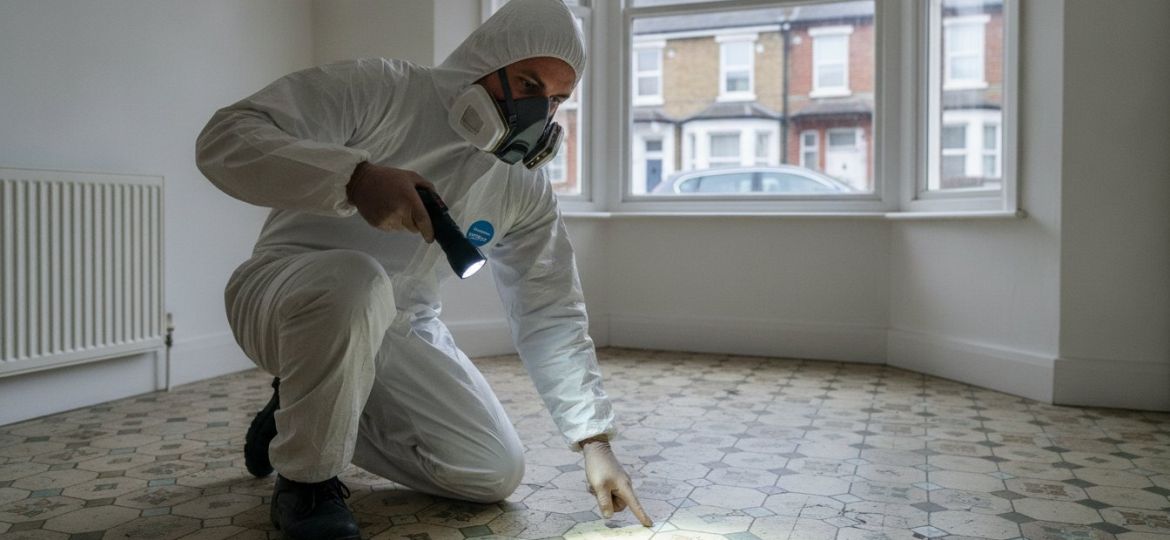
- Internal Hazards: Artex textured coatings were ubiquitous until the late 1980s. Similarly, vinyl floor tiles and high-risk thermal insulation on pipes remain common in older properties.
- Hidden Dangers: Surveyors often find asbestos in less obvious locations like bitumen sink pads, cold water tanks, and the internal linings of fuse boxes or fireplace surrounds.
UK Legislation and the Necessity of UKAS Accredited Testing
Compliance with UK Asbestos Regulations, specifically the Control of Asbestos Regulations 2012 (CAR 2012), is the baseline for safety in any property. While homeowners aren’t always legally “dutyholders” in private dwellings, the technical standards for asbestos testing for homeowners UK mirror these strict requirements to ensure health protection. Relying on non-accredited DIY kits is a significant operational risk. These kits don’t provide the controlled environment or the UKAS accredited laboratory precision required to definitively identify microscopic fibres.
Professional asbestos testing for homeowners UK relies on UKAS accreditation as the gold standard. It guarantees that the surveyors and analysts follow rigorous ISO standards. Without this, your results lack the technical authority needed for insurance or legal compliance during property transactions. Using an independent laboratory ensures there’s no conflict of interest during the identification process.
Management vs. Refurbishment and Demolition Surveys
A Management Survey focuses on identifying asbestos-containing materials (ACMs) that could be disturbed during normal occupation. It’s a non-intrusive assessment designed to help you manage the property safely. In contrast, Refurbishment and Demolition (R&D) Surveys are mandatory UK wide before any structural work. These are fully intrusive, accessing wall voids and floor cavities to ensure no hidden ACMs are disturbed during renovations.
For landlords, investing in professional asbestos consultancy is a strategic move. It removes the burden of liability and ensures all health and safety protocols are met. If you’re planning a project, you can request a technical consultation to determine which survey fits your specific needs.
Professional Asbestos Solutions: From Sampling to Air Clearance
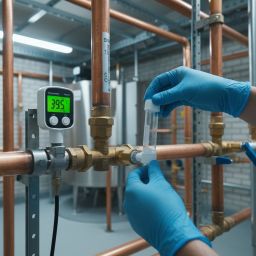
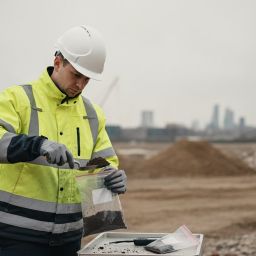
Professional sampling is a precision task that prioritises containment and technical accuracy. When conducting asbestos testing for homeowners UK, we maintain a rigorous chain of custody for every specimen. This methodology ensures that every material sample is documented, sealed, and tracked from the collection site to our laboratory. Professionals use high-efficiency particulate air (HEPA) filtration and specific wetting techniques to ensure zero fibre disturbance during the process. This controlled approach is a fundamental requirement for maintaining household safety during the identification phase.
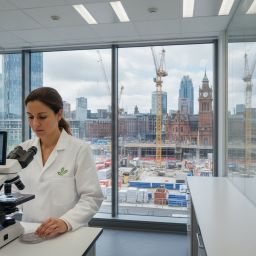
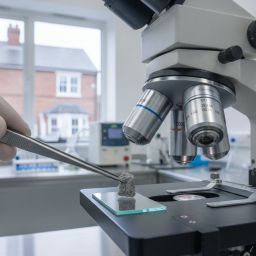
Laboratory analysis at an accredited facility like The Testing Lab PLC utilises polarised light microscopy to identify specific fibre types within bulk materials. This scientific rigor is the only way to confirm the presence of hazardous minerals accurately. Following any removal work, we specialise in 4-stage clearance. This critical process involves a thorough site inspection, air monitoring, and a final certificate of re-occupation. It aligns with the official government guidance on asbestos, ensuring your family returns to a verified safe environment.
How to Arrange a UK Wide Site Survey
Securing a professional assessment is a straightforward process when working with a strategic partner. Our UK wide team operates with methodological precision through the following steps:
- Step 1: Contact our accredited laboratory to arrange a fixed-fee site inspection and survey tailored to your property’s age and structural type.
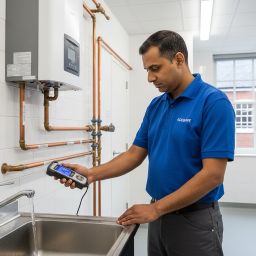
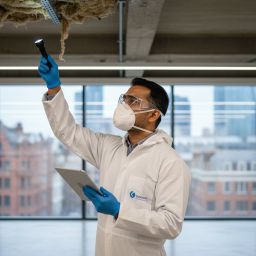
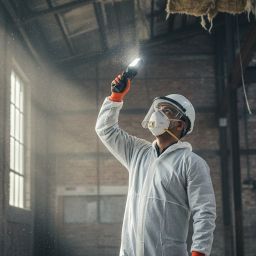
- Step 2: Our surveyors conduct the on-site inspection using industry-rated PPE and RPE, taking representative samples from all suspect areas with minimal disturbance.
- Step 3: You’ll receive a comprehensive analysis report detailing the location, fibre type, and condition of any ACMs found, which serves as your primary document for compliance and safety.
This structured process provides the technical data required for asbestos testing for homeowners UK, removing the burden of risk from the property owner and ensuring full legislative compliance.
Securing Your Household with Methodological Precision
Managing asbestos in a residential property requires a transition from general awareness to methodical action. We’ve examined how identifying high-risk materials and adhering to CAR 2012 standards provides the necessary framework for household safety. By choosing professional asbestos testing for homeowners UK, you ensure that every sample is processed within a UKAS Accredited Laboratory, removing the technical uncertainty associated with uncertified kits. As an independent professional consultancy, we provide the rigor needed to manage your property without conflicts of interest. Our national UK wide coverage ensures expert support is always accessible, whether you require a management survey or a final 4-stage air clearance. Don’t leave your family’s health to chance when scientific precision is available. Request a UKAS Accredited Asbestos Survey Quote and take the first step toward a verified safe environment today.
Frequently Asked Questions
Is asbestos in the home dangerous if it is left alone?
Asbestos-containing materials generally don’t pose an immediate health risk if they’re in good condition and left undisturbed. The danger arises when the material is damaged or disturbed during DIY projects, which releases microscopic fibres into the air. It’s vital to monitor the condition of these materials regularly. If you’re unsure about the state of a material, professional consultancy helps assess the ongoing safety of your home.
Can I take my own asbestos samples for laboratory testing?
You can purchase DIY kits, but we strongly advise against self-sampling due to the high risk of accidental exposure. Professional asbestos testing for homeowners UK ensures that samples are collected using specialised wetting techniques and RPE. This methodological approach prevents fibre release and ensures the resulting UKAS accredited report is legally robust. Professional sampling provides a verified chain of custody that DIY methods simply can’t match.
How much does a professional asbestos survey cost UK wide?
The investment for an assessment depends on your property’s size and the survey type required. We offer fixed-fee site survey and inspection charges UK wide to provide homeowners with clear pricing. For those requiring asbestos surveying in London or other regions, this approach ensures you receive a UKAS accredited report, providing the technical data needed for legislative compliance and peace of mind.
What should I do if I find damaged asbestos in my property?
If you identify damaged asbestos, don’t touch the material or attempt to clean up any dust. You should immediately evacuate the room and seal the door to prevent fibre migration to other parts of the house. Contact an independent consultancy to arrange for professional sampling and air clearance testing. This ensures the area is professionally decontaminated and verified as safe before anyone re-enters the space.

Article by
P J F Thomas
CEO and Founder of TTL plc.
Disclaimer
Items declared are AI generated but do reflect our services. Please get in contact if you have any questions.