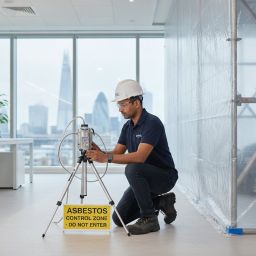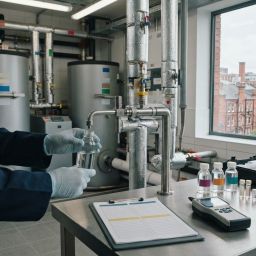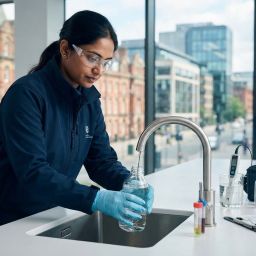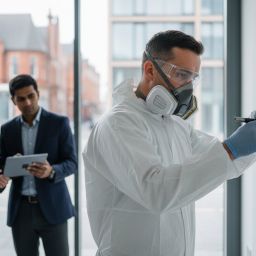
With the HSE Fee for Intervention (FFI) rate reaching £188 per hour in 2026, a single oversight in your workplace health strategy is no longer just a safety risk; it’s a significant financial liability. You likely understand that managing complex risks like asbestos, legionella, and chemical exposure across multiple sites feels like a moving target, especially as UK health and safety legislation continues to tighten. It’s a heavy responsibility to carry alone. This guide shows you how to secure your operations through professional occupational hygiene services UK wide, ensuring your business stays ahead of regulatory changes while protecting your workforce.
We’ll examine the critical role of independent, UKAS-accredited laboratory testing and explain how documented risk assessments form the backbone of a compliant workplace. You’ll learn to transform technical requirements into a streamlined, de-risked operational process that provides total peace of mind for your team and stakeholders.
Key Takeaways
- Understand how professional occupational hygiene services UK wide help you anticipate and control workplace health hazards before they lead to absenteeism or litigation.
- Learn the essential protocols for Legionella risk assessments and water management to maintain building safety and legal compliance across all your facilities.
- Discover how precise air monitoring for dust and vapours, alongside specialized asbestos in soils testing, protects your workforce from long-term health risks.
- Identify why partnering with an independent, UKAS-accredited laboratory ensures unbiased results and removes the burden of professional responsibility from your shoulders.
Occupational Hygiene: Why It’s Critical for UK Businesses
Occupational hygiene is the rigorous science of anticipating, recognising, evaluating, and controlling workplace health hazards. It’s a systematic approach to risk management that protects your most valuable asset: your people. To understand the foundational principles of this discipline, one might ask, What is Occupational Hygiene? and how does it integrate with modern safety management? Beyond the clear moral obligation to ensure staff safety, there’s a significant financial imperative. Reducing absenteeism and avoiding costly litigation are essential for maintaining business continuity in a competitive market.
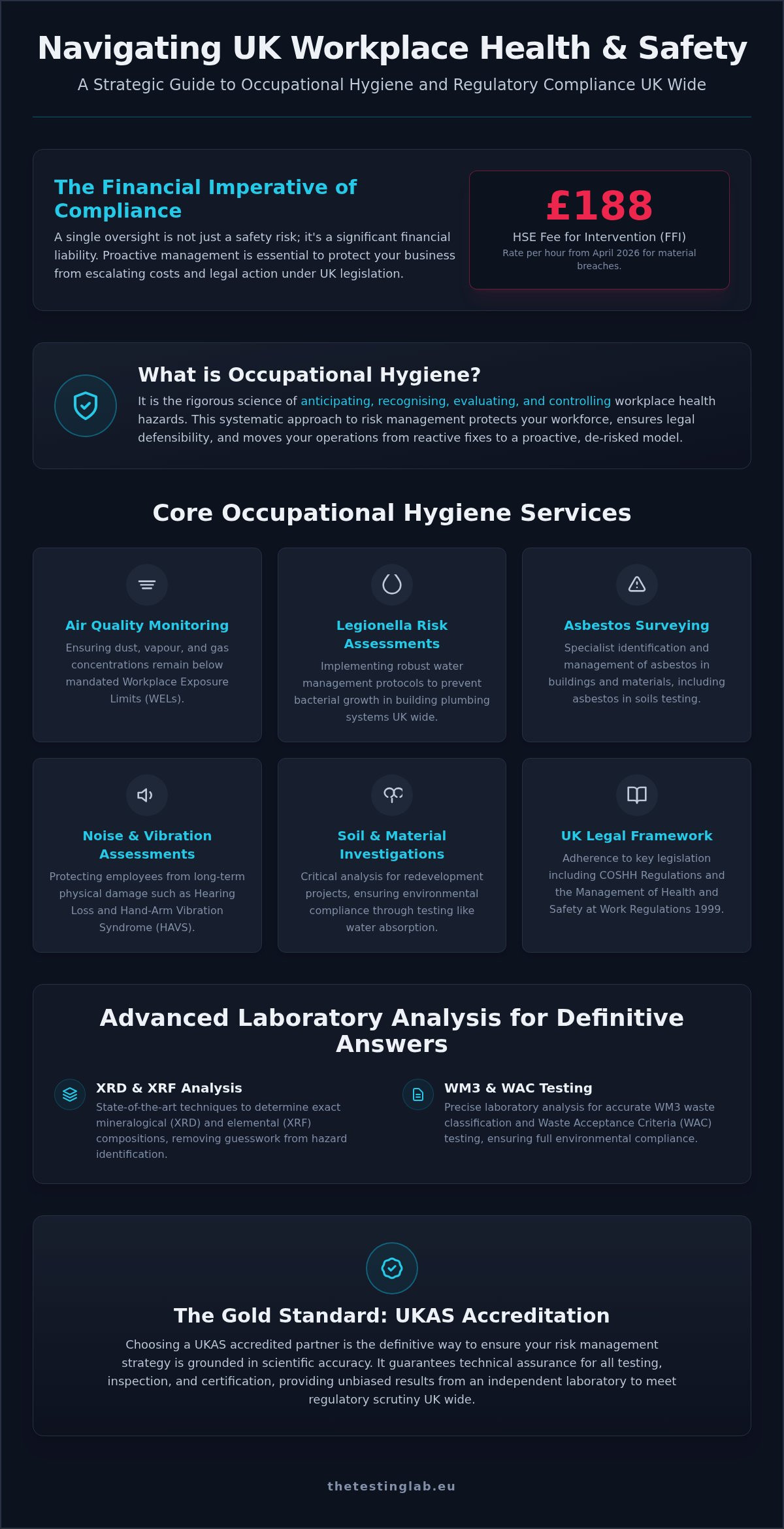
The Health and Safety Executive (HSE) actively enforces these standards UK wide. With the Fee for Intervention (FFI) rate set at £188 per hour for material breaches as of April 2026, the cost of non-compliance is steep. Professional monitoring provides the data integrity needed for legal defensibility. By engaging expert occupational hygiene services UK wide, you ensure your controls meet recognised standards and satisfy regulatory scrutiny. It’s about moving from reactive fixes to a strategic, de-risked operational model where your professional responsibility is managed with precision.
The Legal Framework: COSHH and Beyond
The Control of Substances Hazardous to Health (COSHH) Regulations require every employer to assess risks from chemicals, dusts, and vapours. This duty is mirrored in the Management of Health and Safety at Work Regulations 1999, which mandates a safe working environment UK wide. Proactive compliance is best achieved through detailed inspections and accredited testing. Utilizing specialist asbestos and legionella surveying forms a cornerstone of these duties. It provides the precision required to satisfy regulators and protects your workforce from invisible health risks that often lead to long-term liability.
Core Occupational Hygiene Services for Risk Mitigation
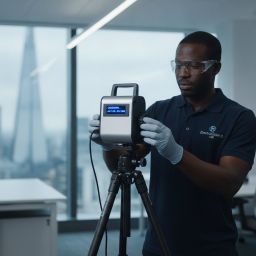
Effective risk mitigation requires a multi-faceted approach to workplace safety. High-quality occupational hygiene services UK wide provide the empirical data necessary to control diverse hazards. This includes rigorous air quality monitoring to ensure dust, vapour, and gas concentrations remain below Workplace Exposure Limits (WELs). According to The British Occupational Hygiene Society (BOHS), professional competency is vital for accurate exposure assessment. Monitoring isn’t just about taking a single measurement. It’s about understanding the variability of work tasks and their impact on health over time.
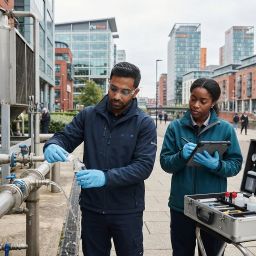
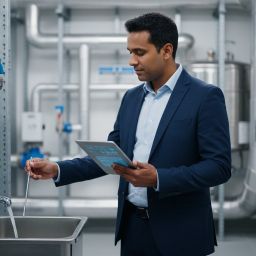
Building safety also depends on robust Legionella risk assessments and water management systems. These protocols prevent the growth of harmful bacteria in complex plumbing, protecting occupants UK wide. For broader compliance, specialist surveying provides the necessary oversight for both asbestos and water safety. Industrial and construction environments also require noise and vibration assessments to prevent long-term physical damage like Hand-Arm Vibration Syndrome (HAVS). Soil and material investigations add another layer of protection. Testing for asbestos in soils and water absorption is critical for redevelopment projects to ensure environmental compliance.
Specialized Laboratory Analysis: XRD and XRF
Definitive material identification relies on advanced technology rather than visual inspection. Techniques like XRD analysis and XRF analysis allow for the determination of exact mineralogical and elemental compositions. This precision is vital for accurate WM3 waste classification and WAC testing. Laboratory-grade analysis is the only way to achieve 100% accuracy in hazard identification, removing the guesswork from your environmental strategy. If you’re managing multiple sites, you can request a specialist quote to streamline your monitoring schedule across the country.
Selecting a UKAS Accredited Partner for UK Wide Compliance
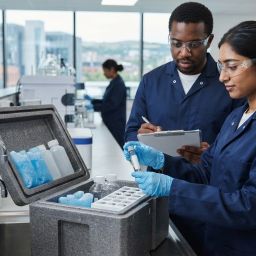
UKAS accreditation represents the gold standard for testing, inspection, and certification in the UK. It provides the technical assurance that your risk management strategy is grounded in scientific accuracy. When you invest in occupational hygiene services UK wide, choosing an independent laboratory ensures unbiased results and professional accountability. This independence is vital for legal defensibility. It removes any conflict of interest between the surveyor and the analytical results, ensuring that your data remains beyond reproach during HSE inspections.
A streamlined operational model involves a fixed-fee site survey to map out risks, followed by precise per-sample laboratory analysis. This dual approach provides a clear financial structure while maintaining the highest levels of accuracy. For multi-site organizations, national coverage is essential to maintain consistent safety standards UK wide. It ensures that every facility, regardless of location, operates under the same rigorous compliance framework, simplifying the management of complex risks like asbestos and legionella.
Streamlining Your Health and Safety Strategy
Integrating occupational hygiene monitoring into your annual safety audit is the most effective way to manage evolving risks. Instead of treating health and safety as a series of reactive tasks, a strategic partner approach shifts the technical and legal burden of monitoring onto qualified experts. This partnership ensures that your documented risk assessments are always current and legally robust. You can request a quote for asbestos or legionella services to start this integration. By letting specialists handle complex sampling and analysis, you secure your workforce’s health while maintaining focus on your core business objectives.
Future-Proofing Your Workplace Health Strategy
Navigating the complexities of UK legislation requires more than just compliance; it demands a commitment to technical precision and workforce safety. By integrating professional occupational hygiene services UK wide, you move beyond basic risk management into a state of operational excellence. We’ve explored how UKAS-accredited laboratory testing and independent consultancy remove the burden of professional responsibility from your shoulders, providing clear, legally defensible data. Whether you’re managing air quality, Legionella, or specialized material testing, the right partnership ensures your business remains resilient against regulatory shifts.
Don’t leave your compliance to chance. You can contact The Testing Lab PLC for UK wide occupational hygiene and asbestos services today. Our team provides fixed-fee site surveys and independent laboratory analysis to keep your operations safe and compliant. We’re ready to help you build a healthier, more secure workplace for the years ahead.
Frequently Asked Questions
What are the most common occupational hygiene hazards in the UK?
The most common occupational hygiene hazards in the UK include respirable crystalline silica (RCS), asbestos fibres, chemical vapours, and legionella bacteria in water systems. Physical hazards like excessive noise and hand arm vibration are also prevalent in industrial sectors. The HSE maintains a specific focus on long term health risks, such as occupational cancers and respiratory diseases, which require robust occupational hygiene services UK wide.
How often should my business conduct occupational hygiene monitoring?
Monitoring frequency is determined by your initial risk assessment and the level of risk identified. Under COSHH regulations, you must review your controls regularly, typically every 12 to 24 months, or immediately if work processes change. High risk environments involving hazardous chemicals or dust may require more frequent sampling. Consistent monitoring UK wide ensures that exposure levels remain below statutory limits and that your control measures remain effective.
Is UKAS accreditation mandatory for occupational hygiene testing?
UKAS accreditation is the gold standard for testing and is often essential for legal defensibility under UK health and safety law. For specific tasks, such as asbestos four stage clearances, using a UKAS accredited laboratory is a regulatory requirement. Choosing an accredited partner for occupational hygiene services UK wide ensures that your data is accurate, unbiased, and capable of withstanding scrutiny from the HSE during inspections.
What is the difference between an occupational hygiene survey and a risk assessment?
A risk assessment is a foundational document that identifies potential hazards and evaluates the likelihood of harm. In contrast, an occupational hygiene survey is a technical exercise that quantifies exposure through physical monitoring and laboratory analysis. The survey provides the empirical evidence needed to validate your risk assessment. This data driven approach is vital for ensuring that your workplace controls are adequate and compliant UK wide.

Article by
P J F Thomas
CEO and Founder of TTL plc.
Disclaimer
Items declared are AI generated but do reflect our services. Please get in contact if you have any questions.