Get instant Quote Could soil from your site meet the project specification, or is it only assumed to be suitable? The answer depends on the material’s intended use and the criteria it must meet. In England and Wales, Part 2A of the Environmental Protection Act 1990 provides a statutory framework for identifying and dealing with contaminated land. Whether it applies to a particular site depends on the circumstances, so project requirements should be confirmed with the relevant professionals.
Choosing tests before defining those requirements can mean unsuitable samples, missing parameters or results that don’t help your engineer make a decision. This guide explains how to approach soil testing for construction material suitability, select tests around the intended use and assess findings against project specifications. You’ll also learn when results may point to further investigation. The Testing Lab PLC is an independent laboratory serving projects UK-wide, with its head office in Doncaster.
Key Takeaways
- Define the material’s intended construction use and the project’s documented acceptance criteria before selecting tests.
- Use soil testing for construction material suitability to obtain evidence relevant to the proposed use, not a generic pass-or-fail judgement.
- Compare laboratory results with the project specification, then ask the project engineer whether further sampling or investigation is needed.
- The Testing Lab PLC is an independent testing laboratory serving the UK, with its head office in Doncaster. Confirm test availability and accreditation scope for your requirements.
What soil testing for construction material suitability can, and cannot, tell you
For a Manchester project, “suitable” has a specific meaning: the soil must meet the documented acceptance criteria for a named use, such as an earthworks layer or landscaping topsoil. Soil testing for construction material suitability helps establish whether the material’s measured properties align with those criteria. It can identify evidence for a decision, but a laboratory report alone cannot approve material for use or replace the project designer’s or engineer’s judgement.
The intended use matters. In England, the National Planning Policy Framework says land affected by contamination should be suitable for its proposed use. That does not create one universal test panel or acceptance threshold. The project specification and relevant risks determine what needs assessing. A Geotechnical investigation process can involve site exploration, sampling and laboratory analysis, with testing selected to answer defined project questions.
Is the soil being assessed for engineering use, landscaping or another route?
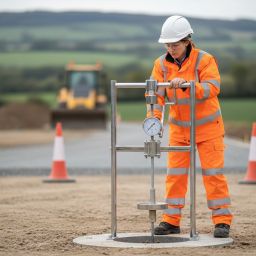
Structural or earthworks assessment and topsoil assessment address different purposes. For earthworks, the project may need evidence about properties relevant to handling and performance. For landscaping, the required characteristics relate to the specified topsoil use. The specification should guide the test selection, rather than assuming one general soil test can answer both questions.
If the actual use is landscaping topsoil, see BS 3882 topsoil testing. The Testing Lab PLC is an independent laboratory serving projects UK-wide, with its head office in Doncaster. Confirm the required test and accreditation scope before commissioning analysis.
How to choose soil tests for a construction project
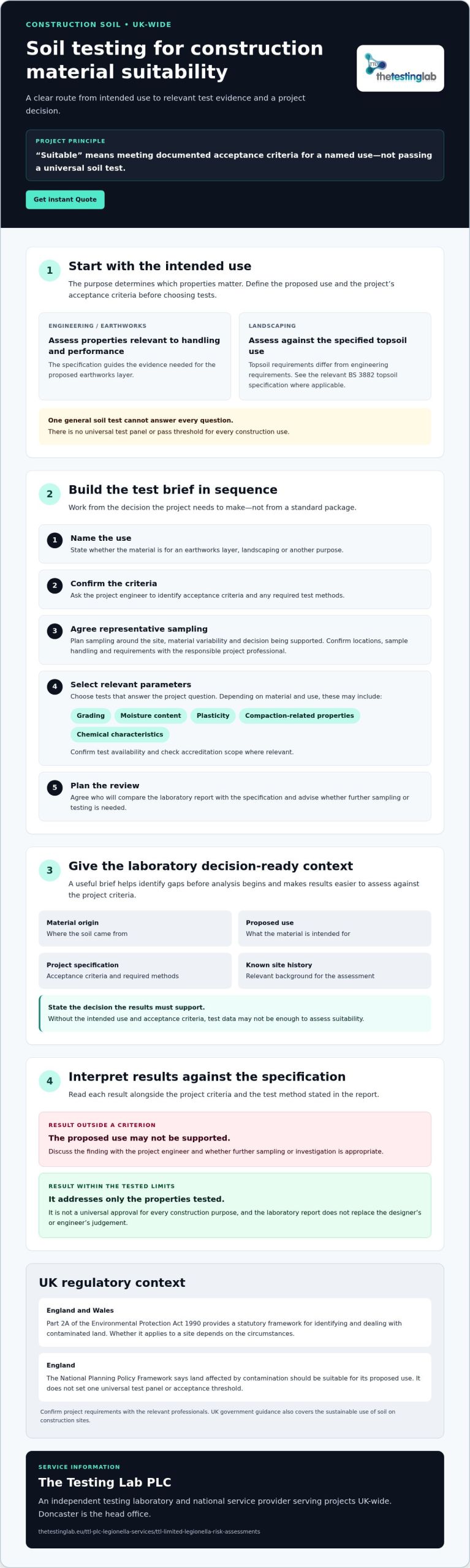
Choose tests by working from the decision the project needs to make, not from a standard package. For soil testing for construction material suitability, use this sequence:
- Define the intended use. State whether the material is proposed for an earthworks layer, landscaping or another purpose.
- Check the specification. Ask the project engineer to identify the relevant acceptance criteria and any required test methods. There are no universal pass thresholds for every use.
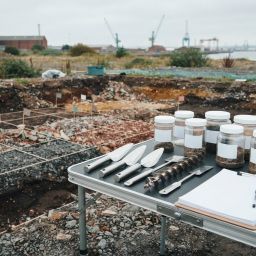
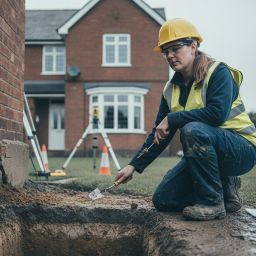
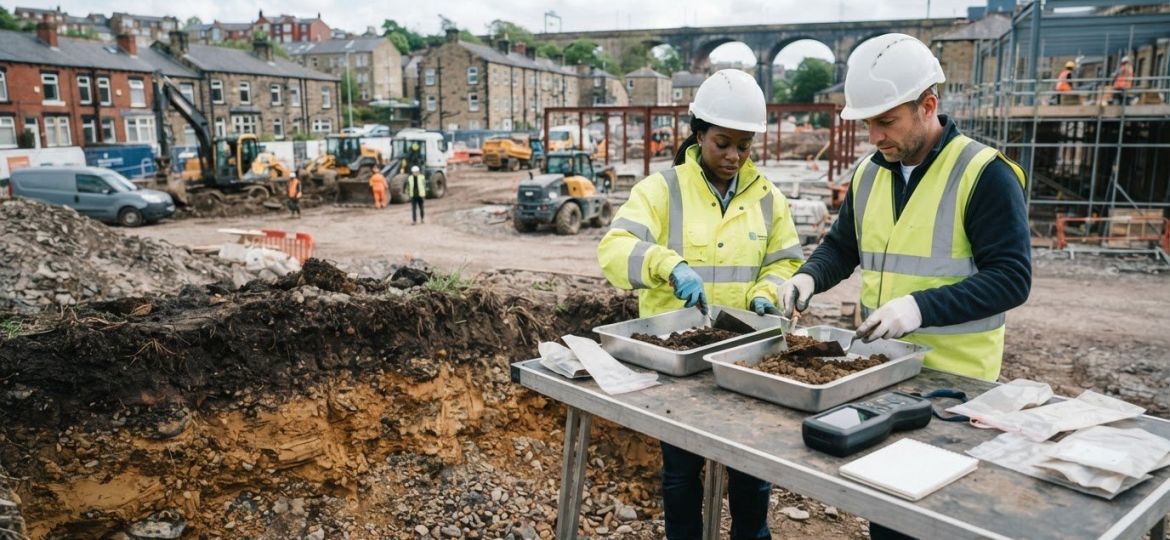
- Agree representative sampling. The sampling plan should reflect the site, material variability and the decision being supported. Confirm locations, sample handling and any requirements with the responsible project professional.
- Set the test brief. Select only parameters that answer the project question. Depending on the material and use, these might include grading, moisture content, plasticity, compaction-related properties or chemical characteristics. Confirm the laboratory offers the required tests and check accreditation scope where relevant.
- Plan result review. Agree who will compare the report with the specification and advise whether more sampling or testing is needed.
What should a soil-testing brief include?
Provide the material’s origin, proposed use, project specification and known site history. Explain what decision the results must support. This helps the laboratory identify gaps before testing begins, rather than returning data that cannot be assessed against the project criteria.
For context on managing and reusing soils, consult the UK government’s sustainable use of soil on construction sites guidance. The Testing Lab PLC serves projects UK-wide, with its head office in Doncaster. Once the material, intended use and criteria are clear, you can request a quote for relevant testing.
How to interpret results and decide the next step
Read each result against the project specification and the test method stated in the report. A value outside a criterion may rule out the proposed use, while a result within limits only addresses the properties tested. There is no generic pass threshold that confirms soil is suitable for every construction purpose. Soil testing for construction material suitability provides evidence for a project decision; without the intended use and its acceptance criteria, a report cannot confirm suitability.
For sites affected by contamination in England, the National Planning Policy Framework says land should be suitable for its proposed use. This makes the intended use and relevant project criteria central to assessment. Check that the report covers the requested parameters, identifies the samples clearly and is suitable for the decision being considered. Confirm the laboratory’s accreditation scope for the specific tests if accredited results are required.
What if the soil does not meet the stated requirements?
Pause before reusing or rejecting the material, and ask the project engineer to review the results against the specification. A change in intended use may require a fresh assessment against different criteria. Further sampling or testing is useful when it resolves a defined uncertainty, such as an unrepresented part of the site or a criterion the existing report doesn’t address. Avoid commissioning extra tests without a clear question for them to answer.
If the material may be managed as waste rather than reused, confirm the applicable route and criteria. Waste acceptance criteria testing may be relevant where disposal acceptance is being assessed; it isn’t a substitute for construction suitability testing. The Testing Lab PLC serves projects UK-wide, with its head office in Doncaster. Share your material details, intended use and project specification when you Get instant Quote.
Make your next testing decision with confidence
Effective soil testing for construction material suitability starts with a clear intended use and the project’s documented criteria. Select samples and tests to answer that specific question, then compare the laboratory findings with the specification. A report provides evidence for review, but the project engineer or designer must determine whether the material is acceptable for the proposed use.
The Testing Lab PLC is an independent testing laboratory with its head office in Doncaster, serving projects across the UK. The company states that it is UKAS accredited, but accreditation scope should be checked for the specific test required. Share your material details, intended use and project criteria to help define the testing brief. Get instant Quote and take the next step towards an evidence-led assessment.
Frequently Asked Questions
What soil tests are used to assess construction material suitability?
Tests depend on the proposed use and the project specification. They may include grading, moisture content, plasticity or compaction-related testing for engineering and earthworks assessment, while chemical analysis may be needed to investigate specific concerns. Soil testing for construction material suitability isn’t a standard one-size-fits-all panel: agree the parameters and sampling plan with the project engineer before commissioning tests.
Can excavated soil be reused as construction material?
Yes, excavated soil may be reusable if it meets the acceptance criteria for its proposed use and the project team has assessed relevant risks. Suitability depends on the material, its origin, test results and specification, so reuse shouldn’t be assumed from appearance alone. If the material is being considered for a waste route, assess it separately against the applicable requirements.
How do I choose a laboratory for construction soil testing?
Choose a laboratory that can confirm it offers the required tests, explain sample requirements and provide results in a format the project team can assess. Check UKAS accreditation for the specific test if accreditation is required, as scope matters. The Testing Lab PLC is an independent laboratory serving the UK, including Manchester, with its head office in Doncaster.
What happens if soil test results do not meet the project specification?
Ask the project engineer to review the results before reusing, rejecting or changing the intended use of the material. First check that the samples and tested parameters address the relevant criteria. Additional sampling or testing may help if a defined uncertainty remains, but further work should answer a specific question rather than repeat tests without a clear purpose.

Article by
P J F Thomas
CEO and Founder of TTL plc.
Disclaimer
Items declared are AI generated but do reflect our services. Please get in contact if you have any questions.