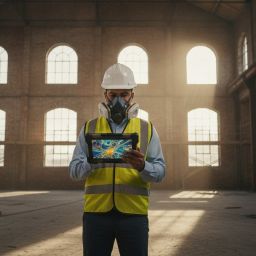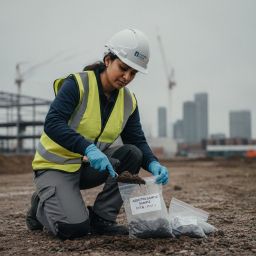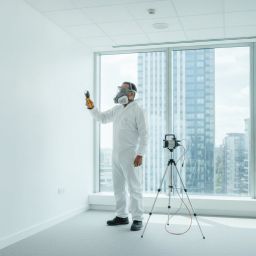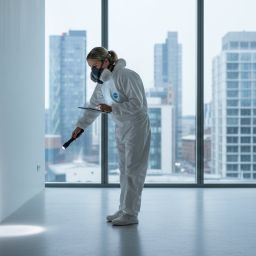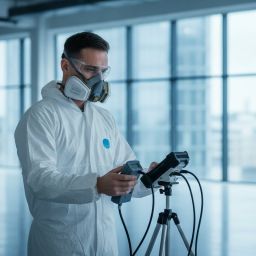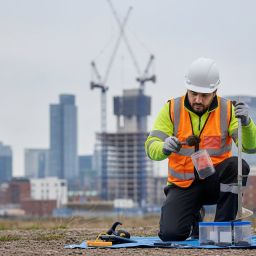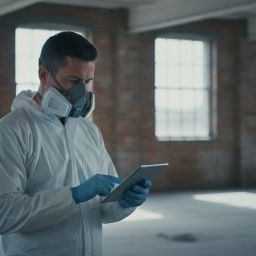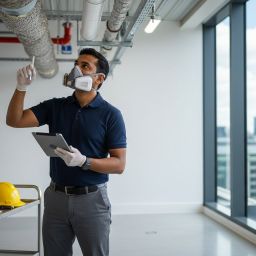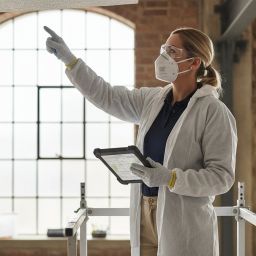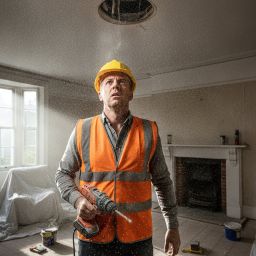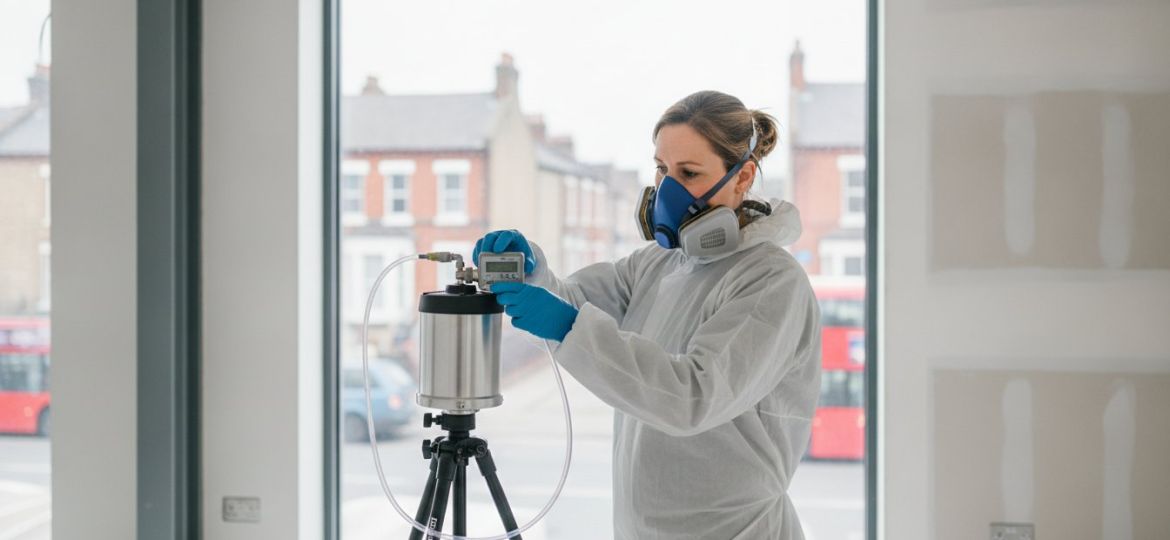
Did you know that asbestos-related diseases still claim approximately 5,000 lives every year across the UK? It’s a sobering reality that explains why the Health and Safety Executive is currently doubling down on stricter enforcement and analyst independence. When you’re managing a property or a renovation project, the technicalities of the asbestos air monitoring procedure shouldn’t be a source of anxiety. You need to know, with absolute certainty, that the air your occupants breathe is safe and that your documentation will withstand any regulatory audit.
Key Takeaways
- Understand how the Control of Asbestos Regulations 2012 governs your legal obligations and why Phase Contrast Microscopy is the industry standard for measuring airborne risk.
- Learn the technical steps involved in a professional asbestos air monitoring procedure to ensure your project remains compliant from baseline testing to final reoccupation.
- Identify the critical differences between background, leak, and reassurance testing to determine which specific assessment your property requires.
- Discover why appointing an independent, UKAS-accredited laboratory is essential for avoiding conflicts of interest and securing a legally robust 4-stage clearance.
- Gain clarity on the analyst’s role in protecting your personnel and property portfolio against the health risks of invisible fibres.
Understanding Asbestos Air Testing and UK Legislative Requirements
Asbestos air testing is a high-precision methodology used to measure the concentration of airborne fibres within a specific environment. By employing Phase Contrast Microscopy (PCM), analysts can determine if an area is safe for occupation or if remedial action is required. To begin Understanding Asbestos and its associated risks, property managers must look toward the primary legislation: the Control of Asbestos Regulations 2012 (CAR 2012). This legal framework dictates that any business with a “Duty to Manage” must validate their risk assessments through rigorous testing protocols.
Professional analysts don’t work in a vacuum; they follow HSG248, also known as the “Analysts’ Guide.” This document serves as the technical blueprint for every asbestos air monitoring procedure conducted across the UK. It ensures that sampling is consistent, data is accurate, and the results are legally defensible. Relying on an independent asbestos consultancy ensures that these procedures are performed without a conflict of interest, providing a transparent safety record for your property portfolio.
When is an Air Test Legally Required?
The law is specific about when air monitoring must take place. In the UK, you’ll typically require professional testing in these scenarios:
- Mandatory 4-stage clearance: This is a legal requirement following any licensed asbestos removal project to certify the area is safe to re-occupy.
- Reassurance testing: Conducted after the accidental disturbance of suspected materials or following the completion of non-licensed work.
- Personal monitoring: This helps verify that Respiratory Protective Equipment (RPE) and site enclosures are functioning effectively during high-risk removal activities.
The Science of Fibre Counting
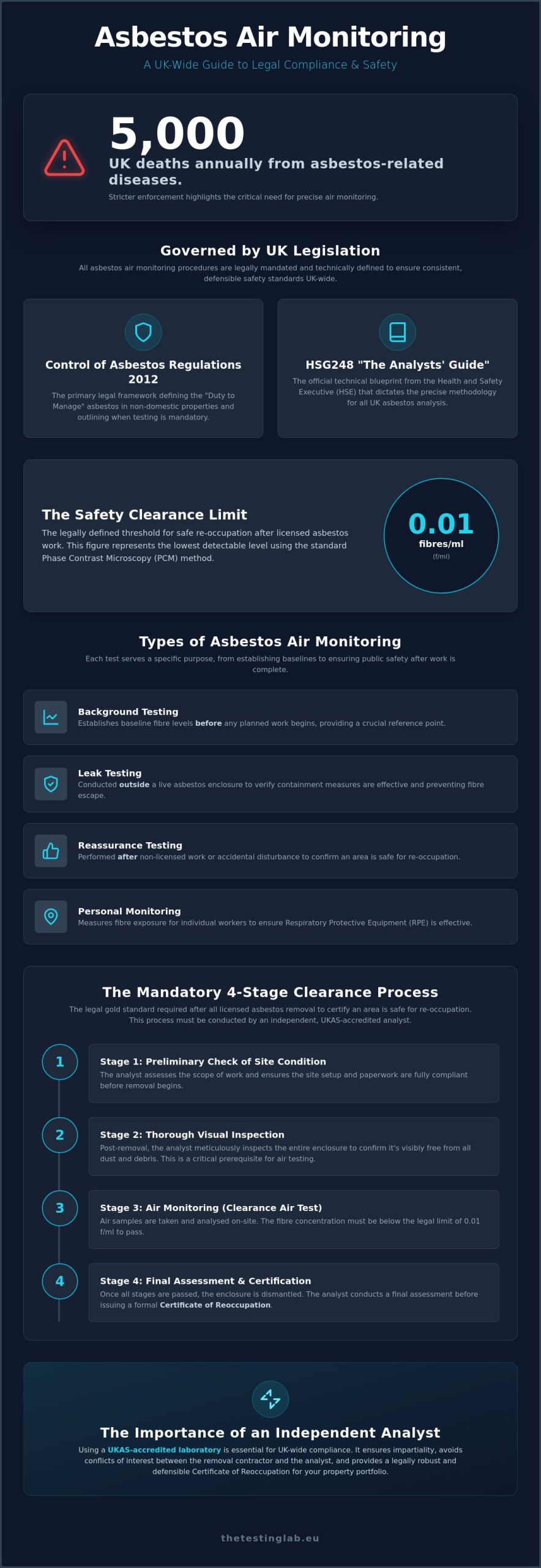
In the UK, the standard for safe re-occupation is the “clearance limit” of 0.01 fibres per millilitre (f/ml). This figure represents the lower limit of detection for the PCM method. If the concentration of fibres in the air is below this threshold, the risk is considered as low as is reasonably practicable. The Phase Contrast Microscopy (PCM) method involves using a light microscope to count fibres collected on a filter membrane, allowing for rapid, on-site quantitative analysis in UKAS accredited environments.
Types of Asbestos Air Monitoring: From Reassurance to 4-Stage Clearance
Selecting the correct asbestos air monitoring procedure is a strategic decision based on the specific risk profile of your site. It isn’t a one-size-fits-all task. Different scenarios require tailored technical approaches to maintain safety and compliance across your operations.
- Background Testing: Analysts establish baseline fibre levels before any planned disturbance or construction work begins. This data provides a reference point to ensure subsequent activities don’t degrade air quality.
- Leak Testing: This is conducted outside the perimeter of live enclosures. It verifies that containment measures are functioning correctly for UK wide projects, preventing fibres from escaping into adjacent areas. This aligns with the UK Legislative Requirements for licensed contractors.
- Reassurance Testing: Usually performed after non-licensed work, this confirms an area is safe for re-occupation by the public or staff.
- Personal Monitoring: This measures individual exposure levels for workers, ensuring compliance with occupational hygiene standards and the effectiveness of respiratory protective equipment.
The 4-Stage Clearance Process Explained
For licensed removals, this process is the gold standard for safety. It’s a rigorous, systematic method that leaves no room for error. Stage 1 and 2 focus on the preliminary site check and a thorough visual inspection. The analyst ensures the work area is entirely dust-free and matches the original scope. Stage 3 involves the actual air monitoring (clearance smoke test) to ensure fibre levels are below the legal detection limit. Stage 4 is the final handover, where the analyst issues the formal Certificate of Reoccupation after a post-clearance site assessment.
Choosing the Right Test for Your Property
Several factors influence which test you need. Material friability, the location within the building, and the planned usage of the space all play a role. It’s a technical choice that requires an engineering-led mindset. While some might suggest “household dust” tests, these often fail to satisfy commercial health and safety audits for UK wide compliance. Following a consistent asbestos air monitoring procedure across your entire portfolio is the most effective way to mitigate legal risk. You can access specialist Consultancy services for UK wide compliance to ensure your strategy is robust. If you’re managing a large portfolio, a partnership for professional air monitoring provides the consistency needed for long-term safety.
Appointing a UKAS Accredited Laboratory for UK Wide Compliance
Choosing a UKAS accredited laboratory isn’t just about technical competence; it’s a legal safeguard. For any professional asbestos air monitoring procedure, the laboratory’s independence ensures that the data is impartial and carries full legal weight. This is particularly vital when dealing with Asbestos Removal Contractors Association (ARCA) members or any licensed contractor. While contractors focus on the physical removal, the analyst’s role is to act as your technical eyes and ears, ensuring the site is truly safe before re-occupation.
Using a single accredited partner for UK wide service delivery streamlines compliance for national property portfolios. It eliminates the inconsistency of using multiple local providers and ensures a unified approach to risk management. Digital reporting and a robust chain of custody are no longer optional extras. They’re essential tools that protect your business from future liability by providing an immutable record of every test conducted on your premises.
Strategic Benefits of Independent Consultancy
An independent analyst has no financial interest in whether a project passes or fails Stage 2 of a 4-stage clearance. This lack of conflict ensures unbiased results for property stakeholders. Beyond the raw data, specialists provide an expert interpretation of lab certificates. This helps non-technical managers make informed decisions without getting lost in technical nuances. If you need a partner to manage these material risks, you can Request a quote for UK wide asbestos specialists today.
Next Steps for National Compliance
Securing your site’s safety starts with booking an on-site test with an accredited analyst. To ensure a smooth asbestos air monitoring procedure, you should prepare the site by ensuring the removal area is fully vacated and all preliminary cleaning is finished. This preparation reduces delays and ensures the analyst can proceed directly to the visual inspection and air sampling stages. For broader management needs, visit our Pillar page for UK wide surveying to see how we support property managers across the country.
Securing Your Property with Expert Asbestos Oversight
Ensuring the safety of your property requires more than just meeting a legal checklist; it demands a commitment to technical precision. By understanding the specific nuances of the asbestos air monitoring procedure, you’ve taken the first step toward mitigating long-term material risks. Whether you’re managing a single site or a national portfolio, the value of an independent, UKAS accredited laboratory cannot be overstated. This independence guarantees that your safety data remains impartial, providing a robust shield against future liability.
As we move through 2026, stricter enforcement makes professional consultancy a strategic necessity rather than an optional service. Our team provides full UK wide coverage, operating as a strategic partner to take the burden of compliance off your shoulders. We combine engineering-led methodology with a focus on operational hygiene to ensure every stage of your project meets the highest standards. Our independent professional consultancy ensures your results are accurate and legally defensible.
Ready to validate your site safety with a trusted partner? Secure Your UK Wide Asbestos Air Test Today and gain the peace of mind that comes with professional oversight. We’re here to help you maintain a safe and compliant environment for everyone.
Frequently Asked Questions
How long does a professional asbestos air test take to complete?
A standard reassurance air test typically takes between 60 to 90 minutes per sampling location. However, a comprehensive 4-stage clearance asbestos air monitoring procedure can span 4 to 8 hours depending on the size and complexity of the enclosure. This timeframe ensures the analyst has sufficient time for a meticulous visual inspection and that the required volume of air is sampled to achieve the necessary limit of detection.
Can I stay in the building while an asbestos air test is being performed?
You cannot remain within the immediate work area or the enclosure while the asbestos air monitoring procedure is underway. Safety protocols require the area to be vacated to prevent any accidental disturbance that could compromise the sample or risk exposure. If the area is properly segregated and the enclosure is secure, normal operations can usually continue in other parts of the building without interruption.
What happens if the air test results are above the 0.01 f/ml limit?
If results exceed the 0.01 f/ml limit, the area is deemed unsafe and the clearance fails. The removal contractor must perform a thorough reclean of the entire work area, focusing on any dust or debris identified by the analyst. Once recleaning is complete, a new visual inspection and air test are required to certify the area is safe for re-occupation.
Is a visual inspection enough, or do I always need a UKAS accredited air test?
A visual inspection is a critical part of the assessment, but it doesn’t replace the need for an air test. For licensed removal work, a UKAS accredited air test is a mandatory legal requirement to issue a Certificate of Reoccupation. Relying solely on a visual check is insufficient for commercial compliance and fails to account for the invisible fibres that pose the greatest health risk to your staff.

Article by
P J F Thomas
CEO and Founder of TTL plc.
Disclaimer
Items declared are AI generated but do reflect our services. Please get in contact if you have any questions.