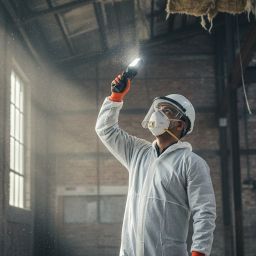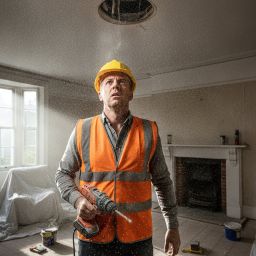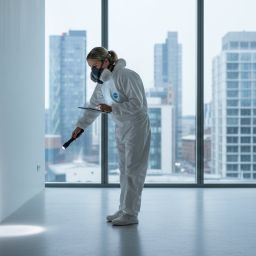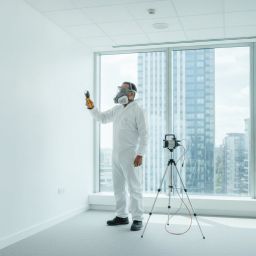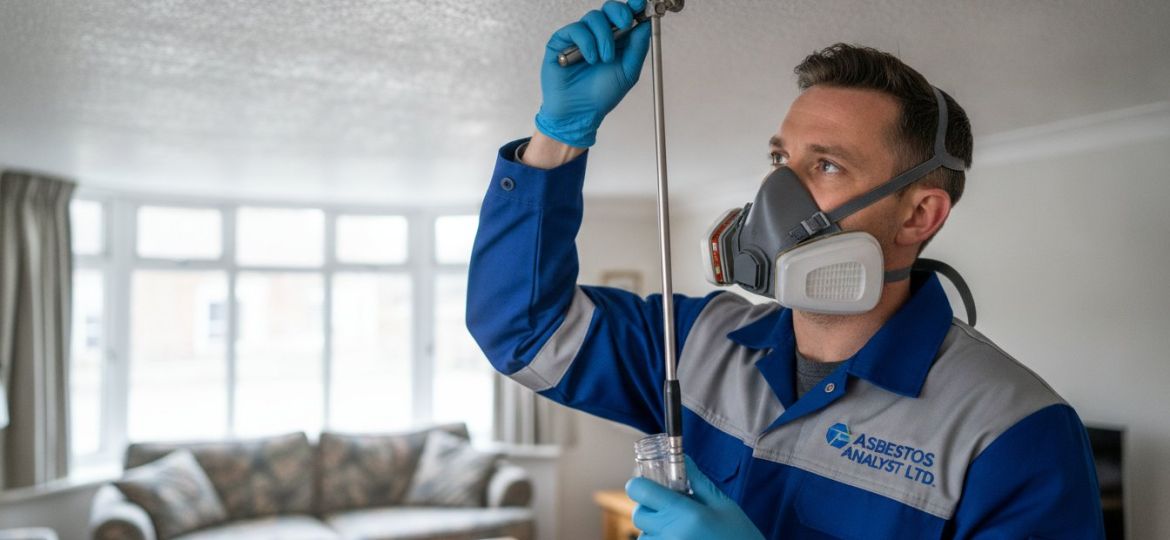
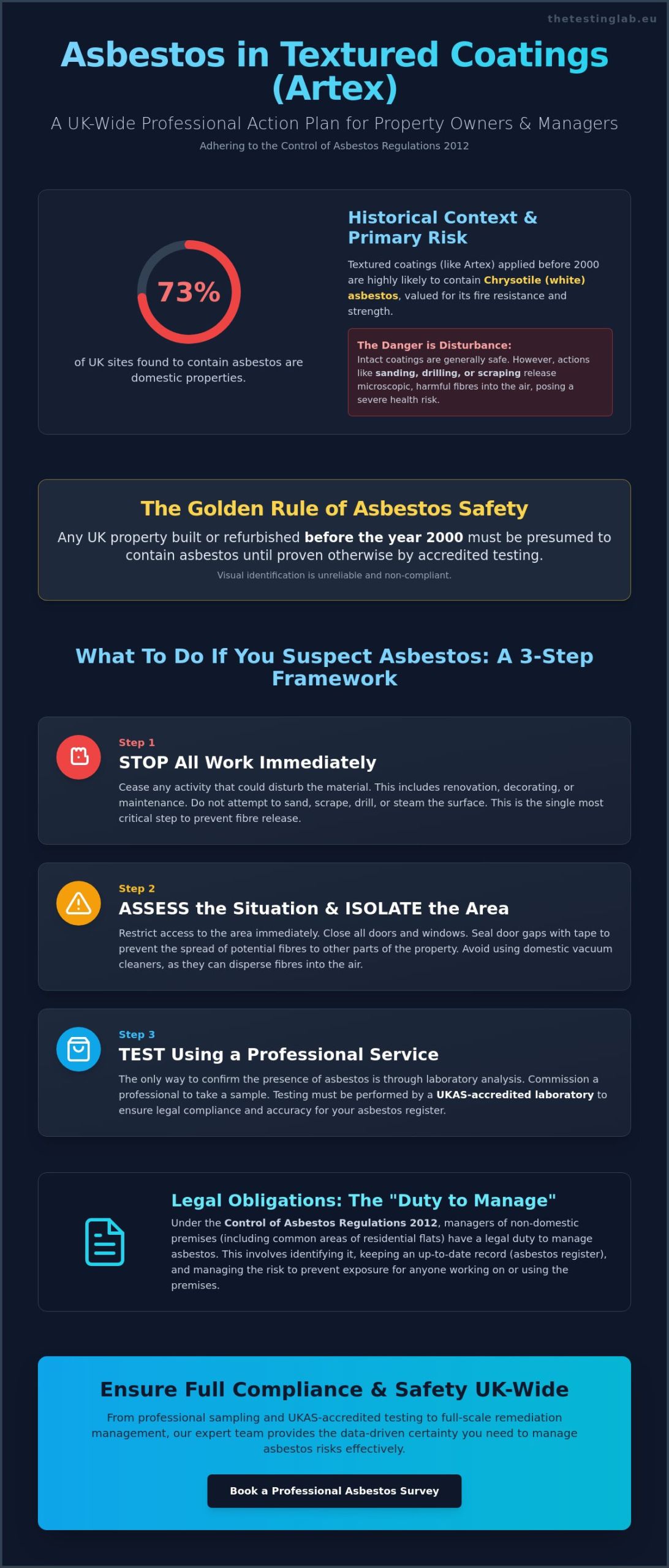
Did you know that 73% of all UK sites found to contain asbestos are actually domestic properties? If your home or commercial building features textured coatings applied before 2000, there’s a high probability that chrysotile fibres are integrated within the material matrix. It’s natural to feel concerned about the health implications of disturbed fibres or to feel overwhelmed by the complexities of the Control of Asbestos Regulations 2012. When you’re faced with potentially hazardous decorative finishes, knowing exactly about asbestos in artex what to do is the first step toward mitigating risk and ensuring structural safety.
We view asbestos management as a methodical process that requires engineering precision rather than guesswork. This guide provides a clear, professional action plan to move you from uncertainty to full legal compliance. You’ll learn how to implement a “Stop, Assess, Test” framework, why UKAS-accredited analysis is the only way to confirm asbestos presence, and the protocols for managing coatings UK wide. We’re here to take the weight of professional responsibility off your shoulders, ensuring your project meets the highest standards of safety and regulatory alignment through a transparent, data-driven approach.
Key Takeaways
- Understand the historical risk of Chrysotile asbestos in textured coatings and why visual identification is never a substitute for professional analysis.
- Master the immediate “Stop and Isolate” protocol to ensure you know exactly asbestos in artex what to do when suspicious materials are encountered during renovation.
- Navigate the legal “Duty to Manage” obligations mandated by the Control of Asbestos Regulations 2012 for property managers UK wide.
- Learn why UKAS-accredited lab testing is the only methodology for confirming safety and maintaining a compliant asbestos register.
- Differentiate between licensed and non-licensed remediation to ensure all disposal and clearance procedures meet rigorous environmental and safety standards.
Identifying Asbestos in Artex: Risks and Historical Context
Artex remains one of the most common asbestos-containing materials (ACMs) found in residential and commercial properties UK wide. While the name refers to a specific brand, it’s frequently used as a generic term for any textured decorative finish applied to ceilings and walls. Understanding the History of Asbestos in Artex reveals that until the mid-1980s, these coatings were reinforced with Chrysotile, or white asbestos. Manufacturers valued these mineral fibres for their exceptional tensile strength and inherent fire resistance; it allowed decorators to create complex patterns like swirls and stipples that wouldn’t crack or degrade over time.
The primary risk isn’t the presence of the material itself, but its “friability” when disturbed. In its hardened state on a ceiling, the asbestos fibres are safely encapsulated within the plaster matrix. However, the moment you sand, drill, or scrape the surface, you release microscopic fibres into the air. Inhaling these invisible particles is the direct cause of severe respiratory diseases, including asbestosis and mesothelioma. This is why understanding asbestos in artex what to do is critical for any renovation project. We treat these materials with a high degree of technical caution to prevent uncontrolled fibre release.
When was Asbestos Banned in UK Coatings?
The UK government implemented a comprehensive ban on all asbestos products in 1999. While the Artex brand itself transitioned to asbestos-free formulations around 1984, other manufacturers continued the practice, and stockpiled supplies remained in the market for years. We recommend a strict engineering rule: any building constructed or renovated before the year 2000 must be presumed to contain asbestos until UKAS-accredited testing proves otherwise. This precautionary approach is the only way to ensure total safety for occupants and contractors.
Visual Identification vs. Laboratory Reality
You can’t identify asbestos in Artex by eye. A swirl pattern isn’t “safer” than a comb or stipple pattern, as the fibres are microscopic and evenly distributed throughout the coating. Many property owners mistakenly believe that the age of the paint or the thickness of the texture provides a clue. In reality, only laboratory analysis can provide the technical certainty required for safe site management. For professional guidance and compliant sampling, consult our local asbestos surveying experts who manage these risks for properties across the UK.
What to Do If You Suspect Asbestos in Artex: A Step-by-Step Action Plan
Encountering textured coatings during a renovation requires an immediate shift in your operational approach. If you’re unsure about asbestos in artex what to do, the first and most critical step is to stop all work immediately. Don’t attempt to sand, scrape, or steam these surfaces. These actions create a high-energy disturbance that bypasses the material’s bonded state, releasing microscopic fibres into the air. We treat every unidentified coating as a potential hazard until proven otherwise.
After stopping work, isolate the area. Close doors and seal gaps with tape to prevent cross-contamination into soft furnishings or ventilation systems. This containment is vital for protecting the rest of the property until a professional assessment is completed. Fibres trapped in carpets or curtains are notoriously difficult to remove and present a persistent health risk to all occupants. Once the area is secure, you must commission a bulk sample analysis to confirm the asbestos content.
The ‘Stop, Assess, Test’ Framework
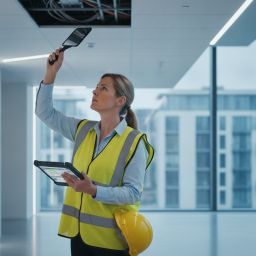
Effective risk management relies on a methodical framework rather than reactive measures. Engaging an asbestos consultancy ensures that your site is evaluated against current UK Asbestos Regulations. This professional oversight is essential for UK wide commercial and residential projects. It provides a clear path from initial suspicion to a verified safety status, removing the burden of technical responsibility from the property owner.
How to Safely Obtain a Sample for Analysis
While DIY kits are available, they often lack the procedural rigour required for legal compliance and personal safety. Professional sampling ensures the material is collected using controlled wetting techniques without contaminating the surrounding room. A UKAS accredited laboratory then performs the analysis to provide a legally defensible certificate.
The resulting report determines if the work is Non-Licensed or Notifiable Non-Licensed (NNLW). This classification allows you to plan remediation with technical certainty and total regulatory alignment. If you need immediate clarity on your site’s safety, you can request a professional testing quote to secure a definitive lab report and maintain your project timeline.
Professional Remediation and Legal Compliance in the UK
Managing textured coatings under the Control of Asbestos Regulations (CAR) 2012 involves more than physical removal; it requires a deep understanding of statutory obligations. For commercial property owners and managers UK wide, the “Duty to Manage” is a non-negotiable legal requirement. This mandate ensures that anyone responsible for a building’s maintenance identifies potential hazards to prevent the onset of asbestos-related diseases. When determining asbestos in artex what to do, you must first establish the work’s classification. While most Artex removal is Non-Licensed, it still demands specific operative training and rigorous dust suppression techniques to remain compliant.
Technical precision is vital during the waste characterisation phase. Misclassifying Artex debris as general construction waste leads to severe legal penalties and environmental contamination. We utilise WM3 testing to ensure every kilogram of waste is correctly categorised before it leaves the site. This methodical approach provides a transparent audit trail, protecting duty holders from the significant liabilities associated with incorrect hazardous waste disposal.
Post-Removal Air Monitoring and Clearance
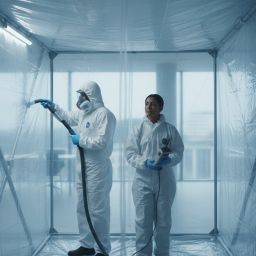
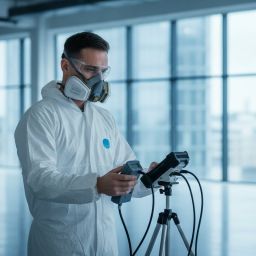
The final phase of remediation is the verification of environmental safety. A 4-stage clearance process remains the industry standard for ensuring a space is safe for re-occupation. This involves a thorough visual inspection followed by air monitoring to detect any residual fibres. Rigorous laboratory verification provides the empirical data needed to issue a Certificate of Reoccupation, giving occupants total peace of mind that the area is clean.
Once a site is cleared and safe for re-occupation, the focus often shifts to long-term maintenance; for those managing industrial facilities, high-quality lining and coating solutions from biscoatings.ie ensure that surfaces remain protected and compliant with rigorous standards.
Asbestos in Soils and Demolition Waste
Renovation activities often result in Artex debris contaminating the surrounding ground, especially during full-scale structural changes. If mishandled, these coatings can compromise the safety of an entire site. We provide specialized asbestos in soils testing for UK wide refurbishment and brownfield projects. This proactive investigation identifies contamination early, allowing for a systems-based remediation strategy that prevents long-term environmental risks.
Securing Your Property with Methodical Asbestos Management
Managing textured coatings effectively requires moving from uncertainty to empirical evidence. By adopting the “Stop, Assess, Test” framework, you protect both your health and your legal standing under the Control of Asbestos Regulations 2012. Understanding exactly asbestos in artex what to do transforms a potential environmental hazard into a manageable technical process. Whether you’re overseeing a single residential room or managing a commercial portfolio UK wide, the priority remains the same: ensuring every fibre is accounted for through professional methodology and precise laboratory analysis.
We operate as your strategic partner, utilizing our UKAS Accredited Laboratory and independent UK-wide consultancy expertise to take the weight of professional responsibility off your shoulders. From initial bulk sampling to specialists in 4-stage air clearance, our team ensures your site meets the highest safety standards for re-occupation. Don’t leave your compliance to chance. You can request a quote for UKAS-accredited asbestos testing and consultancy to secure a definitive action plan today. Taking these professional steps ensures your project proceeds with total technical confidence and safety.
Frequently Asked Questions
Is Artex safe if it contains asbestos but is in good condition?
Artex containing asbestos is considered safe provided it remains in good condition and is not disturbed. The Chrysotile fibres are bonded within a hard plaster matrix, which prevents them from becoming airborne under normal circumstances. You should regularly monitor the surface for signs of physical damage, cracking, or water leaks, as any degradation could compromise this encapsulation and require professional assessment. Once you have confirmed your ceilings are safe, it is also a practical time to explore Loft Insulation to improve your home’s thermal efficiency and reduce energy costs.
Can I paint over Artex that contains asbestos?
You can safely paint over textured coatings to encapsulate the material, provided you do not sand or scrape the surface beforehand. Preparing the surface with abrasive tools is exactly what to avoid when considering asbestos in artex what to do, as this releases hazardous dust. Applying a fresh layer of paint can help bind the fibres, but you must record the presence of asbestos in your building’s management plan for future occupants or contractors.
How much does professional asbestos testing for Artex cost in the UK?
The cost of professional testing depends on the number of samples required and the complexity of site access. A professional survey includes site attendance by a qualified surveyor, safe sample collection using dust suppression, and UKAS accredited laboratory analysis. For projects UK wide, we recommend requesting a tailored quote to ensure your specific regulatory requirements are met with technical precision and legal defensibility.
What happens if I have already disturbed Artex and suspect it contained asbestos?
If you have already disturbed the material, stop work immediately and evacuate the room to prevent further fibre inhalation. You should seal the area to contain loose dust and avoid using a standard domestic vacuum cleaner, as this will only spread microscopic particles into the air. Contact a professional team specializing in asbestos surveying and air monitoring to assess the contamination level and perform necessary decontamination protocols.

Article by
P J F Thomas
CEO and Founder of TTL plc.
Disclaimer
Items declared are AI generated but do reflect our services. Please get in contact if you have any questions.